- English
- Español
- Português
- русский
- Français
- 日本語
- Deutsch
- tiếng Việt
- Italiano
- Nederlands
- ภาษาไทย
- Polski
- 한국어
- Svenska
- magyar
- Malay
- বাংলা ভাষার
- Dansk
- Suomi
- हिन्दी
- Pilipino
- Türkçe
- Gaeilge
- العربية
- Indonesia
- Norsk
- تمل
- český
- ελληνικά
- український
- Javanese
- فارسی
- தமிழ்
- తెలుగు
- नेपाली
- Burmese
- български
- ລາວ
- Latine
- Қазақша
- Euskal
- Azərbaycan
- Slovenský jazyk
- Македонски
- Lietuvos
- Eesti Keel
- Română
- Slovenski
- मराठी
- Srpski језик

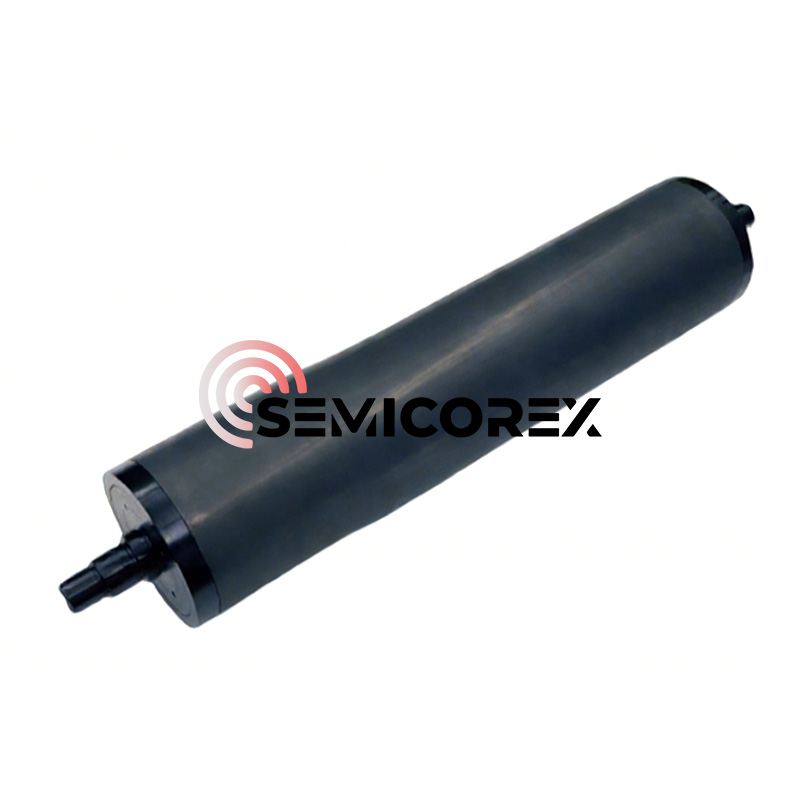
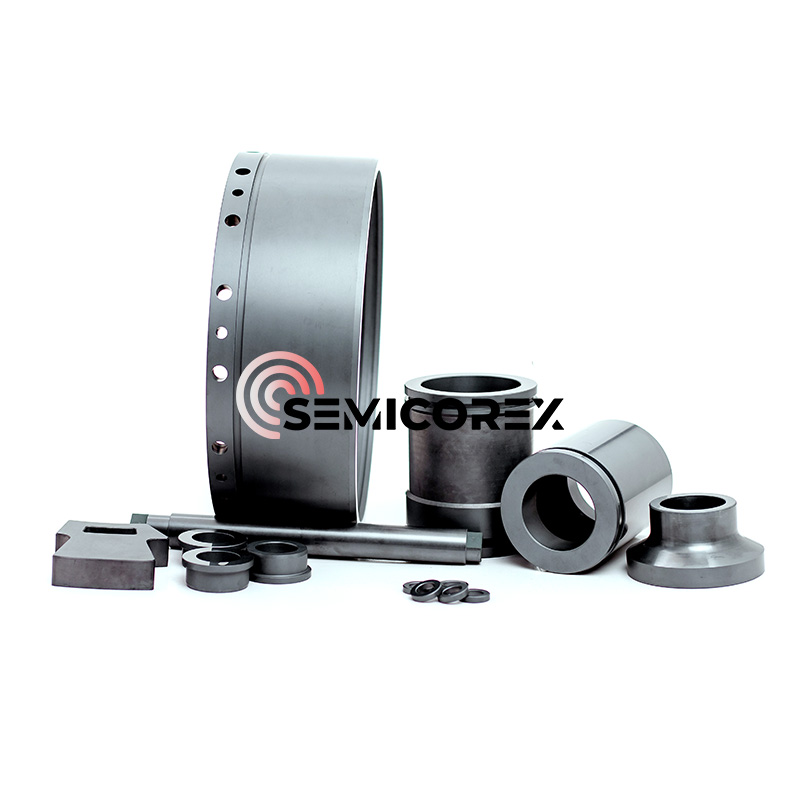

Silicon Carbide Ceramic Membranes
Semicorex silicon carbide ceramic membranes are the new-type non-oxide inorganic membranes made from high-quality silicon carbide materials. Possessing excellent thermal, mechanical and chemical resistance, Semicorex silicon carbide ceramic membranes are the advanced gas and liquid filtration solutions specially designed for industrial applications requiring precise, efficient and durable filtration.
Send Inquiry
Product Description
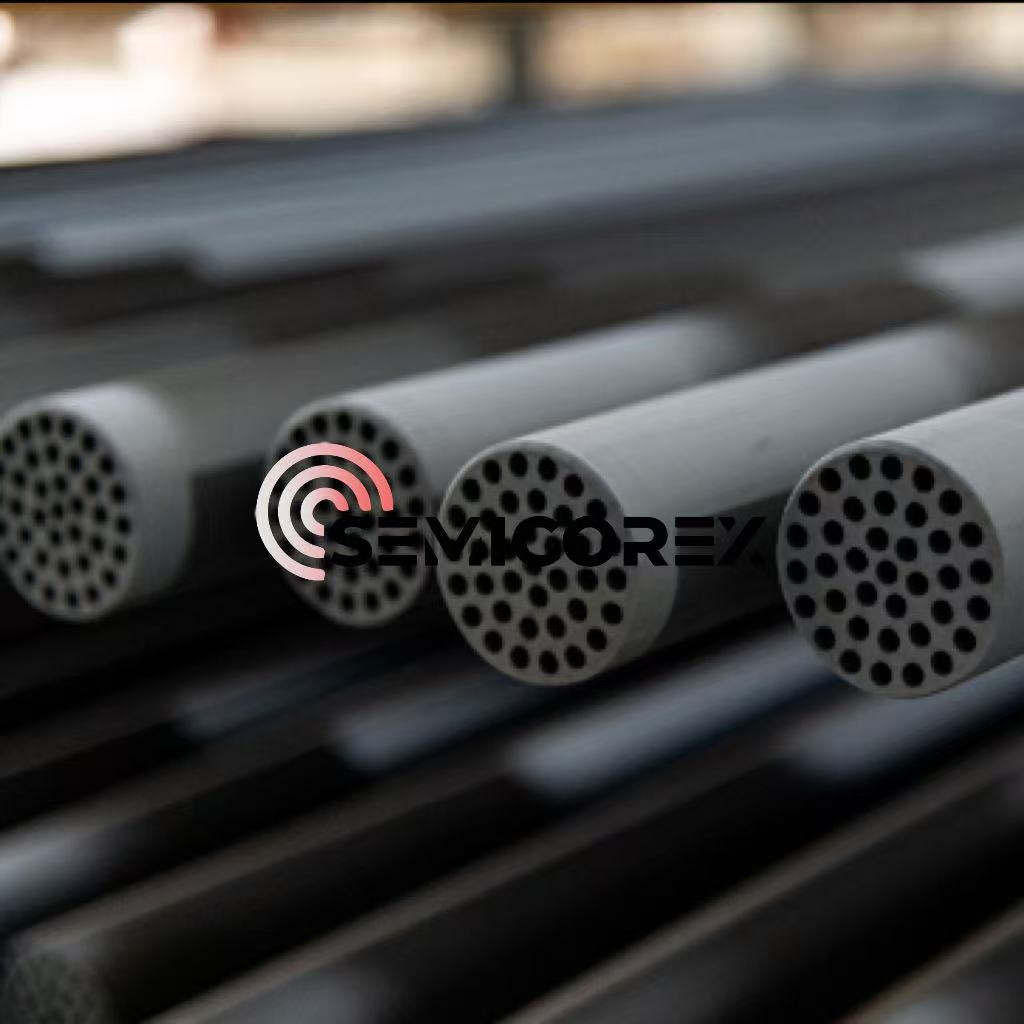
Semicorex silicon carbide ceramic membranes are porous ceramic membranes manufactured using high-temperature sintering recrystallization technology. They consist of the porous support layer, the transition layer, and the separation layer. The support layer provides mechanical strength and gas or liquid channels, the transition layer connects the support to the separation layer, and the separation layer is responsible for precise sieving and separation.
How Semicorex Silicon Carbide Ceramic Membranes Function?
Semicorex silicon carbide ceramic membranes are primarily configured for fluid separation through the cross-flow filtration mode. Under the pressure driving force, the fluids pass through the silicon carbide membrane tubes at a high flow rate. The small molecule fluids flow vertically out of the membrane pores, while the large molecule substances are retained, thus achieving the purpose of clarification, separation, concentration, and purification of the fluid.
The performance of Semicorex Silicon Carbide Ceramic Membranes
1. Exceptional high-temperature resistance and thermal shock resistance
2. Excellent corrosion resistance to chemicals
3. Superior filtration capabilities for their high throughput and low resistance
4. Remarkable anti-fouling performance for their hydrophilic and oleophobic properties
5. Superb mechanical strength
6. Long-lasting durability for
7. Long-lasting service life for their easy cleanability and regenerability
The Applications of Semicorex Silicon Carbide Ceramic Membranes
1. High-temperature exhaust gas purification for steel coke oven, waste liquid incinerator and polysilicon production.
2. Oil-water separation applications, such as oily wastewater treatment.
3. Gas separation applications like acid gas treatment, greenhouse gas capture and separation of hydrogen, nitrogen, and carbon dioxide in oil refineries.
4. Chemical and pharmaceutical Industries, such as corrosive filtration, catalyst recovery, bioproduct separation.
Hot Tags: Silicon Carbide Ceramic Membranes, China, Manufacturers, Suppliers, Factory, Customized, Bulk, Advanced, Durable
Product Tag
Related Category
Silicon Carbide (SiC)
Alumina (Al2O3)
Silicon Nitride (Si3N4)
Aluminum Nitride (AIN)
Zirconia (ZrO2)
Composite Ceramic
Axle Sleeve
Bushing
Wafer Carrier
Mechanical Seal
Wafer Boat
Send Inquiry
Please feel free to give your inquiry in the form below. We will reply you in 24 hours.