
- English
- Español
- Português
- русский
- Français
- 日本語
- Deutsch
- tiếng Việt
- Italiano
- Nederlands
- ภาษาไทย
- Polski
- 한국어
- Svenska
- magyar
- Malay
- বাংলা ভাষার
- Dansk
- Suomi
- हिन्दी
- Pilipino
- Türkçe
- Gaeilge
- العربية
- Indonesia
- Norsk
- تمل
- český
- ελληνικά
- український
- Javanese
- فارسی
- தமிழ்
- తెలుగు
- नेपाली
- Burmese
- български
- ລາວ
- Latine
- Қазақша
- Euskal
- Azərbaycan
- Slovenský jazyk
- Македонски
- Lietuvos
- Eesti Keel
- Română
- Slovenski
- मराठी
- Srpski језик

Company News
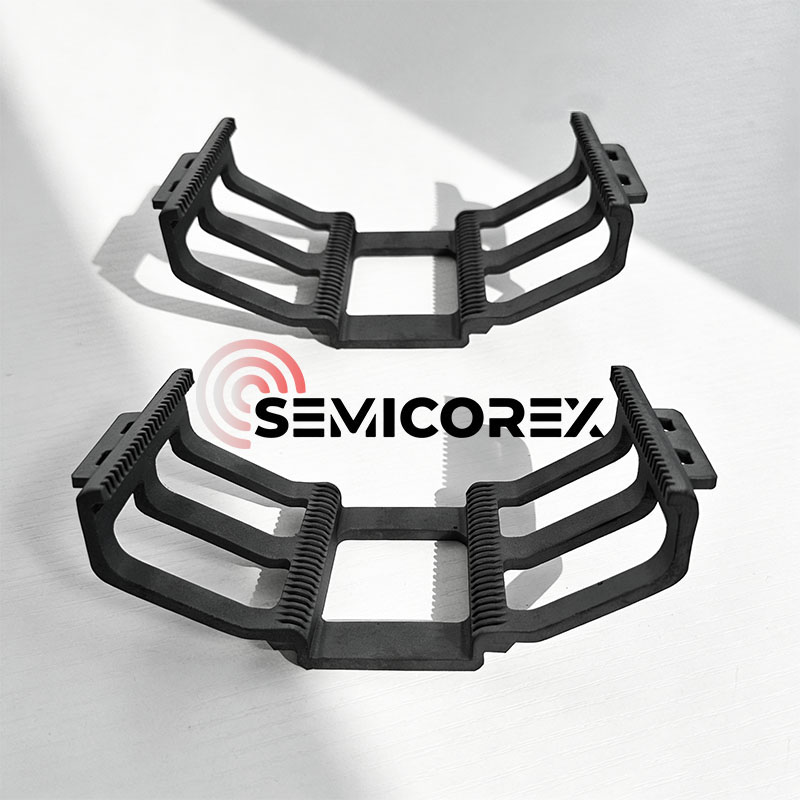
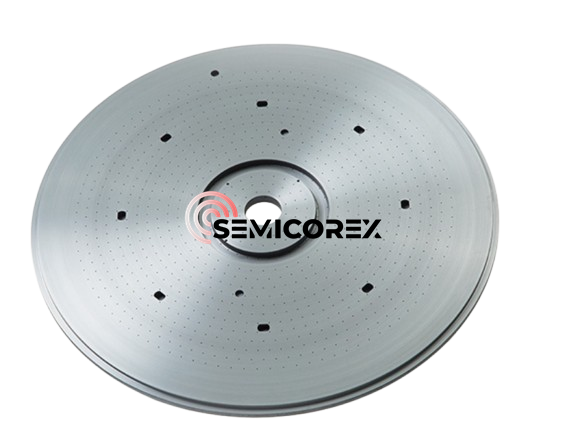
Detailed Explanation of Semiconductor CVD SiC Process Technology(Part.Ⅱ)
In the chemical vapor deposition (CVD) process, the gases used mainly include reactant gases and carrier gases. Reactant gases provide atoms or molecules for the deposited material, while carrier gases are used to dilute and control the reaction environment. Below are some commonly used CVD gases:
Read More
Detailed Explanation of Semiconductor CVD SiC Process Technology(Part.I)
Before discussing the Chemical Vapor Deposition (CVD) silicon carbide (Sic) process technology, let's first review some basic knowledge about "chemical vapor deposition." Chemical Vapor Deposition (CVD) is a commonly used technique for preparing various coatings. It involves depositing gaseous re......
Read More

Carbon Felt in Induction Heating Furnace - part 2
The suitability of viscose-based carbon fiber for insulation systems in high-temperature induction heating environments is primarily due to its key properties, including low thermal conductivity, high thermal stability, excellent thermal shock resistance, high purity and low impurity content, and li......
Read More
Viscose-based Felt in Induction Heating Furnace
The suitability of viscose-based carbon fiber for insulation systems in high-temperature induction heating environments is primarily due to its key properties, including low thermal conductivity, high thermal stability, excellent thermal shock resistance, high purity and low impurity content, and li......
Read More