- English
- Español
- Português
- русский
- Français
- 日本語
- Deutsch
- tiếng Việt
- Italiano
- Nederlands
- ภาษาไทย
- Polski
- 한국어
- Svenska
- magyar
- Malay
- বাংলা ভাষার
- Dansk
- Suomi
- हिन्दी
- Pilipino
- Türkçe
- Gaeilge
- العربية
- Indonesia
- Norsk
- تمل
- český
- ελληνικά
- український
- Javanese
- فارسی
- தமிழ்
- తెలుగు
- नेपाली
- Burmese
- български
- ລາວ
- Latine
- Қазақша
- Euskal
- Azərbaycan
- Slovenský jazyk
- Македонски
- Lietuvos
- Eesti Keel
- Română
- Slovenski
- मराठी
- Srpski језик

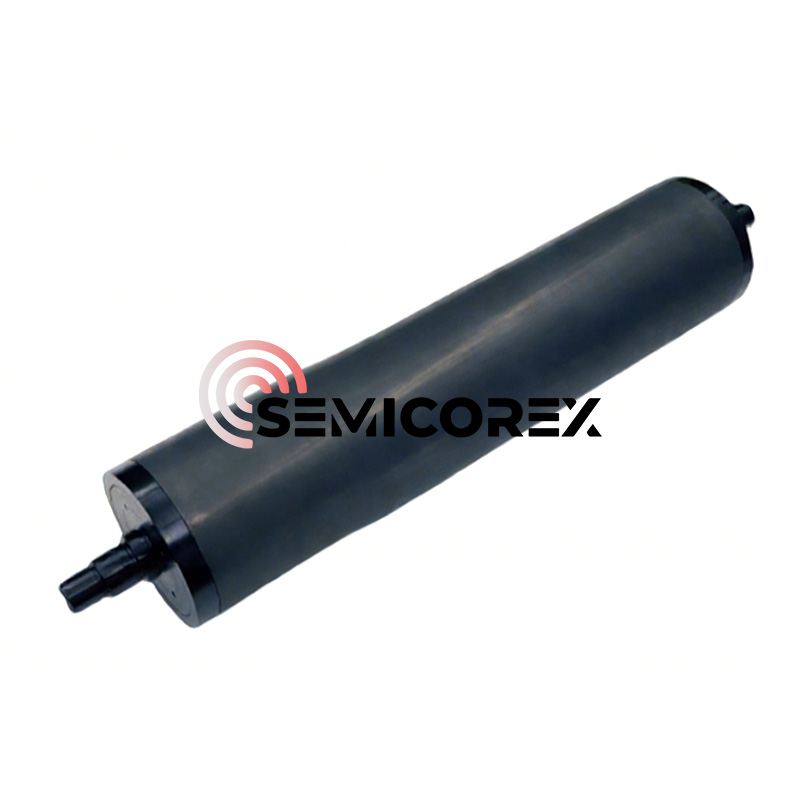
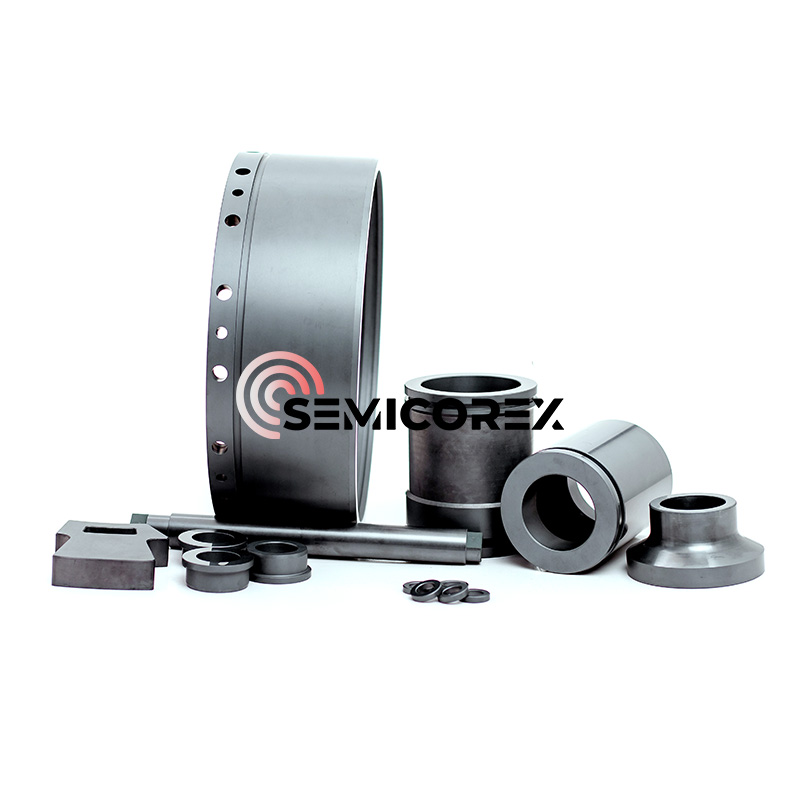

Ceramic Seals
Semicorex ceramic seals are engineered for OEM manufacturers seeking reliable sealing performance in high-wear, high-temperature, and chemically demanding industrial environments. Leveraging advanced ceramic materials and precision manufacturing, Semicorex delivers consistent, application-ready sealing solutions designed for long-term integration into industrial equipment platforms.*
Send Inquiry
Product Description
Semicorex Ceramic seals are high-performance sealing components developed for OEM applications requiring stable operation under high wear, high temperature, and chemically aggressive conditions. Manufactured from advanced technical ceramics such as Alumina (Al₂O₃), Silicon Carbide (SiC), and Zirconia (ZrO₂), ceramic seals provide long-term dimensional stability and predictable performance across a wide range of industrial equipment platforms.
Designed for OEM integration, ceramic seals are commonly used in rotating and static sealing systems where reliability, consistency, and lifecycle cost are critical design considerations.
Material Performance for OEM Applications
Wear Resistance Under Continuous Operation
Technical ceramics offer significantly higher hardness than metallic sealing materials, enabling ceramic seals to maintain sealing surface integrity under long duty cycles.
- Typical Vickers hardness:
- Alumina ceramics: 1,500–2,000 HV
- Silicon carbide: 2,400–2,800 HV
- Hardened steel by comparison: approximately 600–800 HV
In OEM equipment operating with abrasive media, high shaft speeds, or extended service intervals, ceramic seals help reduce wear-related performance drift and maintenance frequency.
Thermal Stability and Dimensional Control
Ceramic seals are suitable for applications involving elevated and fluctuating temperatures, where thermal deformation of conventional materials can lead to leakage.
- Typical operating temperature limits:
- Alumina ceramics: up to 1,600°C
- Silicon carbide: up to 1,400°C
- Low coefficients of thermal expansion help maintain stable sealing gaps during thermal cycling.
This makes ceramic seals suitable for chemical processing equipment, industrial pumps, compressors, and energy-related systems.
Chemical Compatibility Across Industrial Media
Ceramic materials are chemically inert to most industrial fluids and gases.
Ceramic seals are resistant to:
- Strong acids and alkalis
- Organic solvents and hydrocarbons
- Corrosive and abrasive process media
Unlike elastomeric seals, ceramics do not swell or degrade, and unlike metal seals, they do not corrode. This ensures consistent sealing performance in chemically aggressive OEM applications, including chemical, pharmaceutical, and semiconductor-related equipment.
Sealing Performance in Mechanical Systems
Surface Finish and Friction Behavior
OEM-grade ceramic seal faces are manufactured using precision grinding and polishing processes, achieving surface roughness values as low as Ra ≤ 0.02 μm.
Key performance benefits include:
- Reduced frictional heat generation
- Stable operation at high rotational speeds
- Improved energy efficiency of rotating systems
Ceramic seals are commonly paired with carbon or ceramic counterfaces, depending on pressure, speed, and lubrication conditions.
Typical Operating Conditions (Reference)
While exact limits depend on seal design and material pairing, ceramic seals are commonly applied in OEM systems with:
- Shaft speeds up to several thousand rpm
- Face pressures in the MPa range
- Continuous operation in liquid or gas environments
For applications involving severe impact loading, large misalignment, or dry running, additional design considerations or alternative material solutions may be required.
Service Life and Reliability for OEM Programs
Due to their resistance to wear, corrosion, and thermal degradation, ceramic seals typically provide 2–5× longer service life compared to conventional sealing materials under comparable operating conditions.
For OEM manufacturers, this translates into:
- Reduced warranty and service costs
- More stable long-term equipment performance
- Improved end-user satisfaction
Ceramic seals are especially suited for equipment platforms designed for long maintenance intervals or continuous operation.
OEM Customization & Manufacturing Capability
Ceramic seals can be engineered to meet specific OEM requirements, including:
- Material selection (Al₂O₃, SiC, ZrO₂)
- Custom dimensions, tolerances, and geometries
- Defined surface roughness and counterface compatibility
Manufacturing can be aligned with ASTM, DIN, and ISO standards, supporting both new equipment development and existing platform upgrades.
FAQ – Ceramic Seals for OEM Applications
What OEM industries commonly use ceramic seals?
Ceramic seals are widely used in industrial pumps, compressors, chemical processing equipment, energy systems, semiconductor tools, and fluid handling machinery.
Are ceramic seals suitable for high-speed OEM equipment?
Yes. When properly designed and paired, ceramic seals offer stable performance at high rotational speeds with low friction and wear.
Can ceramic seals replace metal seals in existing designs?
In many cases, yes. However, operating conditions such as misalignment, impact loading, and lubrication should be reviewed during the redesign process.
Are ceramic seals available for custom OEM designs?
Yes. Ceramic seals can be fully customized to match OEM-specific performance targets, geometries, and production requirements.
Hot Tags: Ceramic Seals, China, Manufacturers, Suppliers, Factory, Customized, Bulk, Advanced, Durable
Product Tag
Related Category
Silicon Carbide (SiC)
Alumina (Al2O3)
Silicon Nitride (Si3N4)
Aluminum Nitride (AIN)
Zirconia (ZrO2)
Composite Ceramic
Axle Sleeve
Bushing
Wafer Carrier
Mechanical Seal
Wafer Boat
Send Inquiry
Please feel free to give your inquiry in the form below. We will reply you in 24 hours.