
- English
- Español
- Português
- русский
- Français
- 日本語
- Deutsch
- tiếng Việt
- Italiano
- Nederlands
- ภาษาไทย
- Polski
- 한국어
- Svenska
- magyar
- Malay
- বাংলা ভাষার
- Dansk
- Suomi
- हिन्दी
- Pilipino
- Türkçe
- Gaeilge
- العربية
- Indonesia
- Norsk
- تمل
- český
- ελληνικά
- український
- Javanese
- فارسی
- தமிழ்
- తెలుగు
- नेपाली
- Burmese
- български
- ລາວ
- Latine
- Қазақша
- Euskal
- Azərbaycan
- Slovenský jazyk
- Македонски
- Lietuvos
- Eesti Keel
- Română
- Slovenski
- मराठी
- Srpski језик
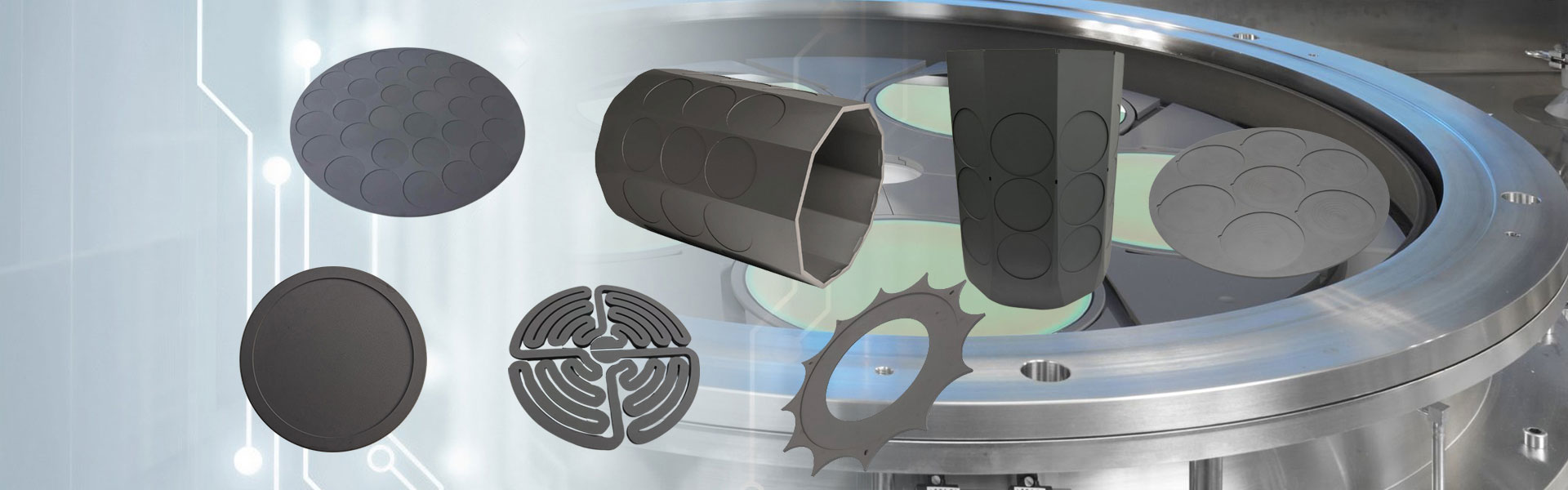
China CVD Furnace Manufacturers, Suppliers, Factory
CVD furnaces used for the chemical vapor deposition (CVD) process. Chemical vapor deposition is a process in which a thin film is deposited on a substrate using a chemical reaction between vaporized precursor gases and a heated surface.
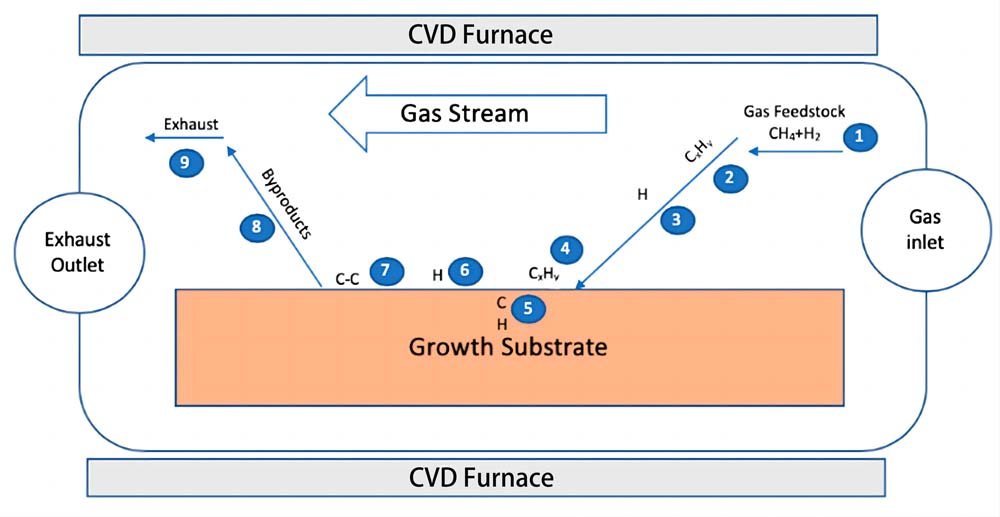
CVD furnaces typically consist of a vacuum chamber, a gas delivery system, a heating system, and a substrate holder. The vacuum chamber is used to remove air and other gases from the deposition environment to prevent impurities from interfering with the deposition process. The gas delivery system delivers the precursor gases to the substrate surface where they react to form the desired thin film. The heating system heats the substrate to the required temperature for the reaction to occur. The substrate holder is used to hold the substrate in place during the deposition process.
In the CVD process, the precursor gases are introduced into the vacuum chamber and heated to a temperature where they decompose and react to form a thin film on the heated substrate. The temperature and pressure of the deposition environment are carefully controlled to ensure the desired film properties are achieved.
CVD furnaces are widely used in the semiconductor industry to deposit thin films for the fabrication of microelectronic devices, such as integrated circuits and solar cells. They are also used in the production of advanced materials, such as coatings, optical fibers, and superconductors.

- View as

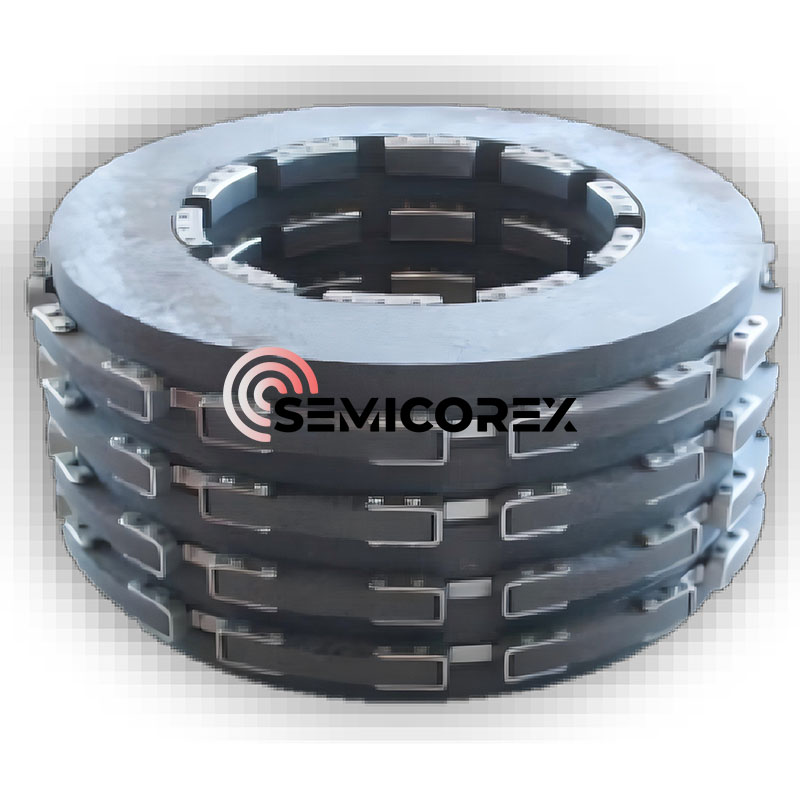
CVD Chemical Vapor Deposition Furnaces
Semicorex CVD Chemical Vapor Deposition furnaces make the manufacture of high-quality epitaxy more efficient. We provide custom furnace solutions. Our CVD Chemical Vapor Deposition furnaces have a good price advantage and cover most of the European and American markets. We look forward to becoming your long-term partner in China.
Read MoreSend Inquiry
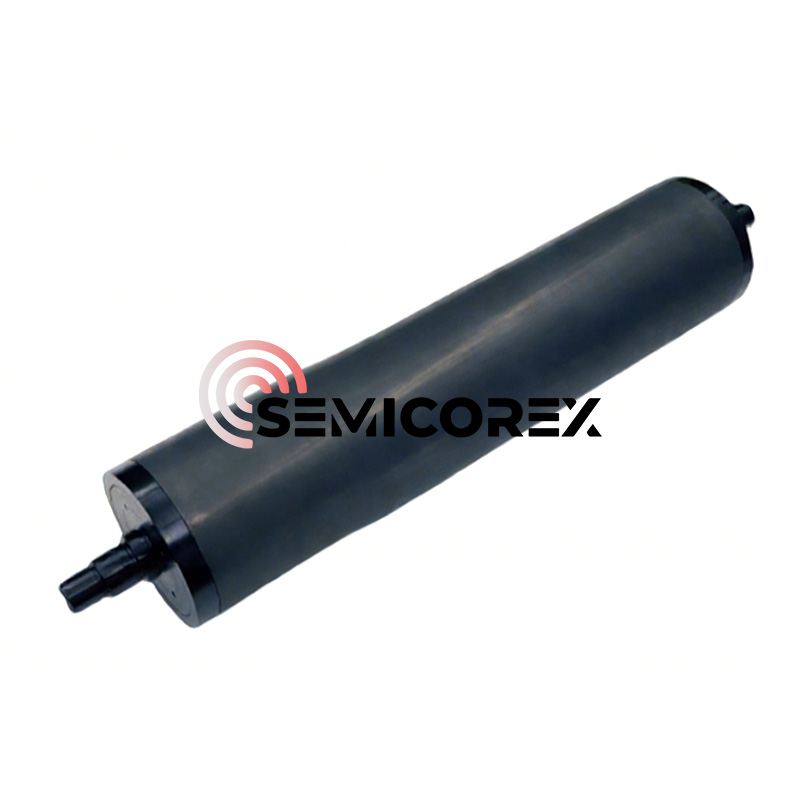
CVD and CVI Vacuum Furnace
Semicorex is a large-scale manufacturer and supplier of Silicon Carbide Coated products in China. We provide custom furnace solutions. Our CVD and CVI Vacuum Furnace has a good price advantage and cover many of the European and American markets. We look forward to becoming your long-term partner.
Read MoreSend Inquiry
Semicorex has been producing CVD Furnace for many years and is one of the professional CVD Furnace manufacturers and Suppliers in China. Once you buy our advanced and durable products which supply bulk packing, we guarantee the large quantity in quick delivery. Over the years, we have provided customers with customized service. Customers are satisfied with our products and excellent service. We sincerely look forward to becoming your reliable long-term business partner! Welcome to buy products from our factory.