- English
- Español
- Português
- русский
- Français
- 日本語
- Deutsch
- tiếng Việt
- Italiano
- Nederlands
- ภาษาไทย
- Polski
- 한국어
- Svenska
- magyar
- Malay
- বাংলা ভাষার
- Dansk
- Suomi
- हिन्दी
- Pilipino
- Türkçe
- Gaeilge
- العربية
- Indonesia
- Norsk
- تمل
- český
- ελληνικά
- український
- Javanese
- فارسی
- தமிழ்
- తెలుగు
- नेपाली
- Burmese
- български
- ລາວ
- Latine
- Қазақша
- Euskal
- Azərbaycan
- Slovenský jazyk
- Македонски
- Lietuvos
- Eesti Keel
- Română
- Slovenski
- मराठी
- Srpski језик

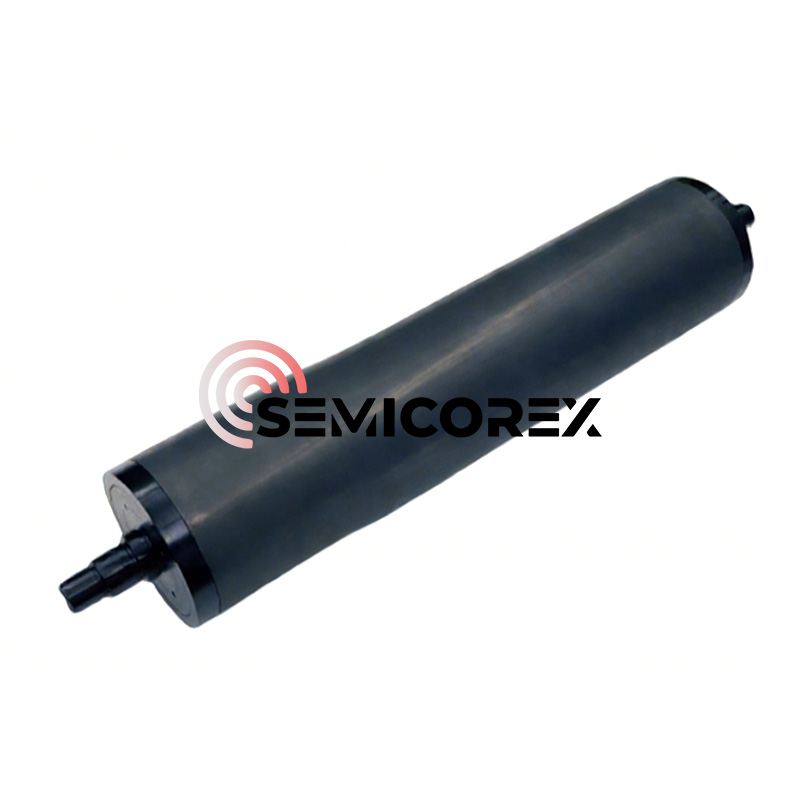
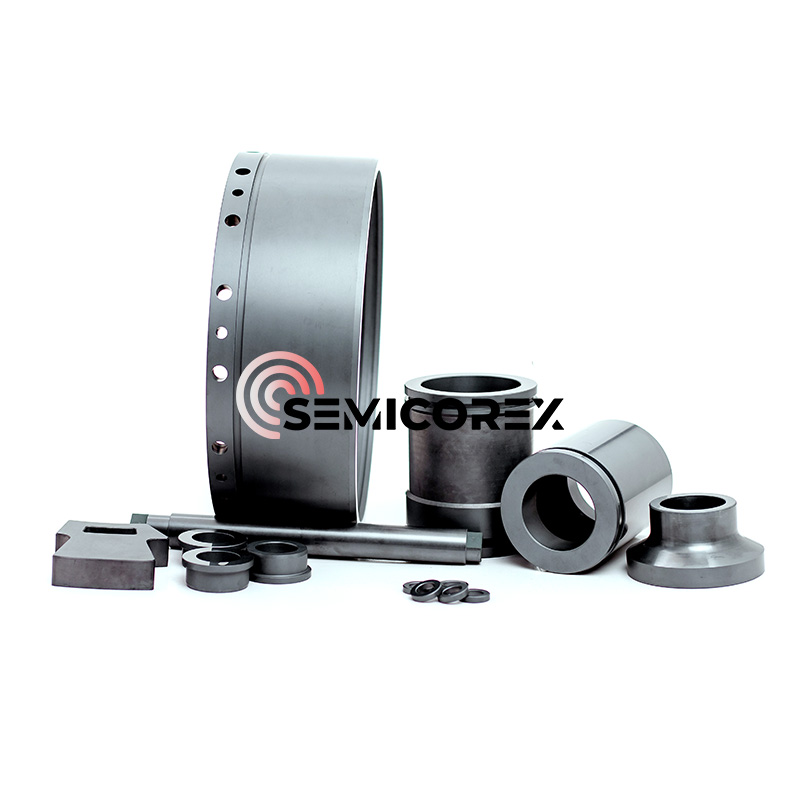
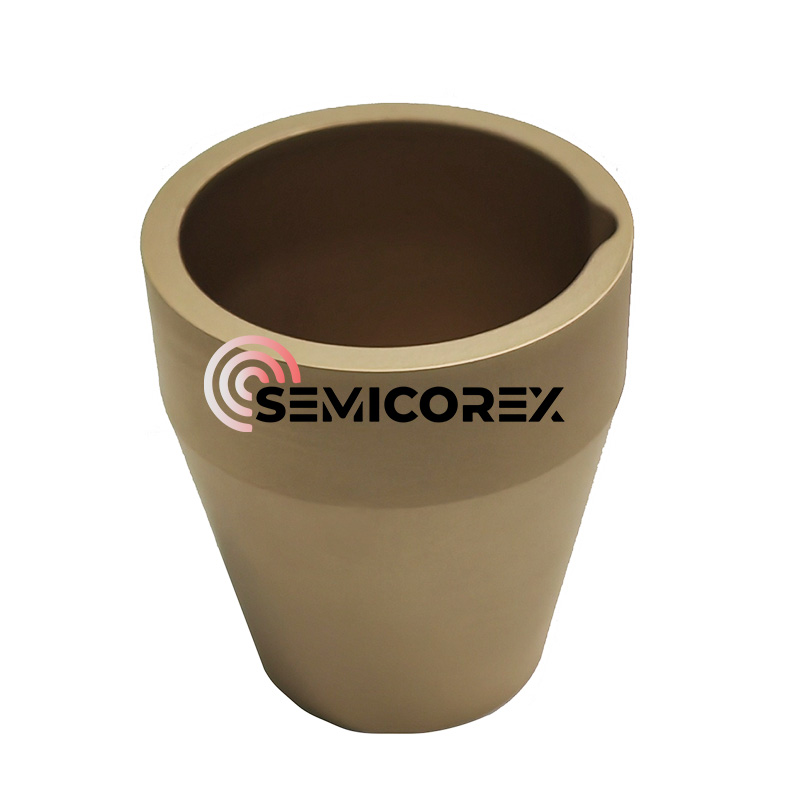
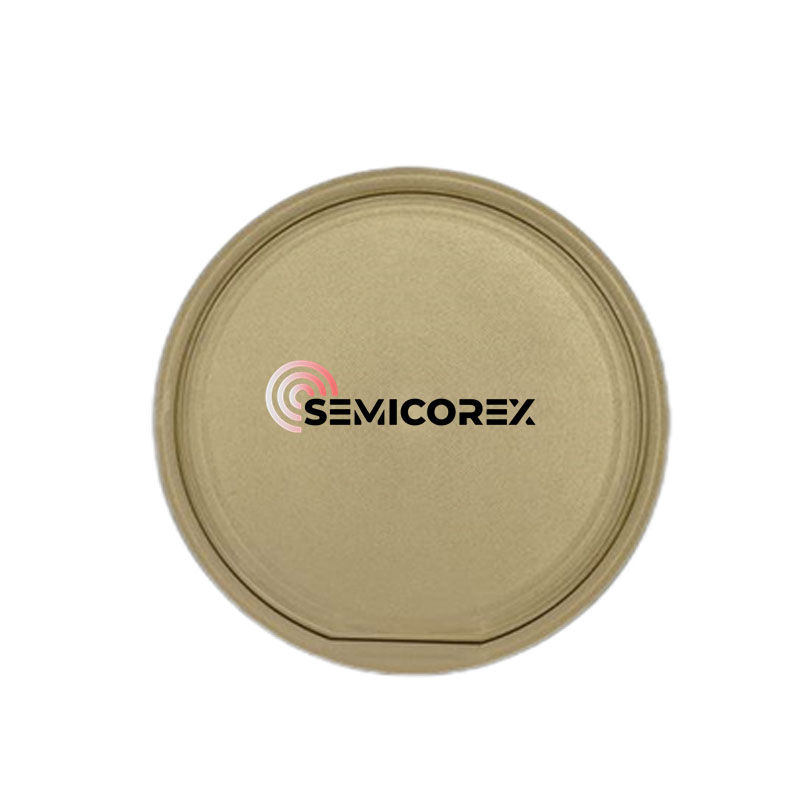
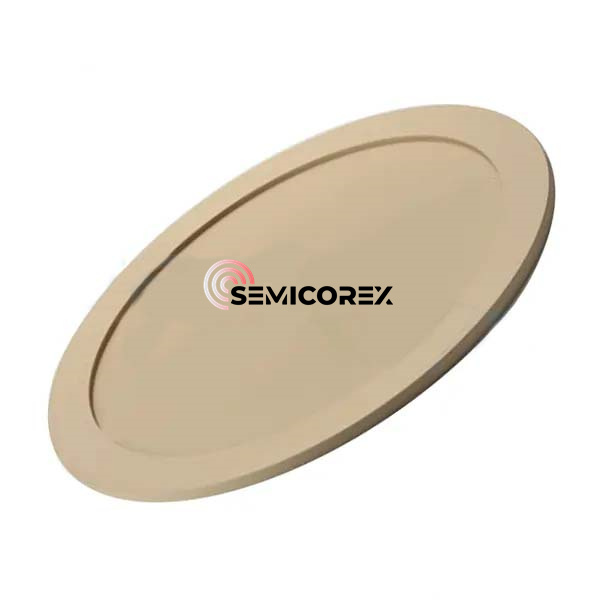
TaC Coated Graphite Crucible
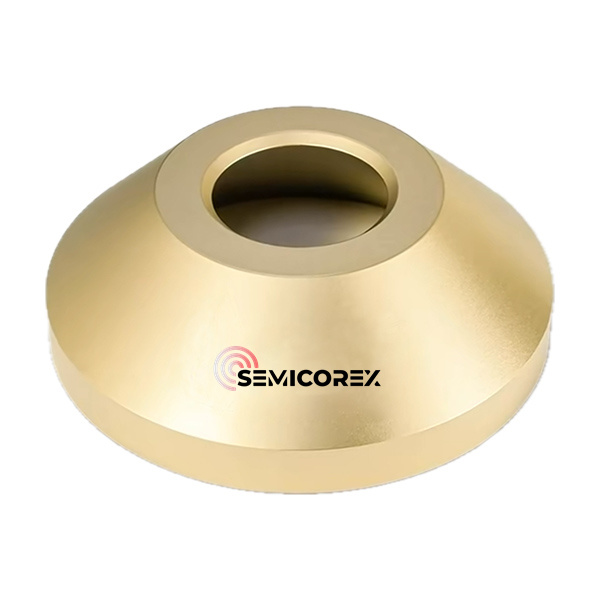
Semicorex TaC Coated Graphite Crucible is made by the Tantalum Carbide coating graphite through the CVD method, which is the most suitable material applied in the semiconductor manufacturing process. Semicorex is a company that consistently specializes in CVD ceramic coating and offers the best material solutions in the semiconductor industry.*
Send Inquiry
Product Description
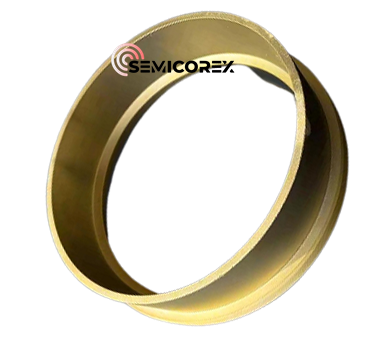
Semicorex Tantalum Carbide TaC Coated Graphite Crucible is engineered to provide the ultimate protective barrier, ensuring purity and stability in the most demanding "hot zones." In the production of Wide Bandgap (WBG) semiconductors, particularly Silicon Carbide (SiC) and Gallium Nitride (GaN), the processing environment is incredibly aggressive. Standard graphite or even SiC-coated components often fail when exposed to temperatures exceeding 2,000°C and corrosive vapor phases.
Why TaC Coating is the Industry Gold Standard
Tantalum Carbide is the main material of TaC Coated Graphite Crucible is one of the most refractory materials known to man, with a melting point of approximately 3,880°C. When applied as a dense, high-purity coating via Chemical Vapor Deposition (CVD) onto a high-quality graphite substrate, it transforms a standard crucible into a high-performance vessel capable of withstanding the harshest epitaxial and crystal growth conditions.
1. Unmatched Chemical Resistance to Hydrogen and Ammonia
In processes like GaN MOCVD or SiC Epitaxy, the presence of hydrogen and ammonia can rapidly erode unprotected graphite or even Silicon Carbide coatings. TaC is uniquely inert to these gases at high temperatures. This prevents "carbon dusting"—the release of carbon particles into the process stream—which is a primary cause of crystal defects and batch failure.
2. Superior Thermal Stability for PVT Growth
For Physical Vapor Transport (PVT)—the primary method for growing SiC ingots—operating temperatures often hover between 2,200°C and 2,500°C. At these levels, traditional SiC coatings begin to sublimate. Our TaC coating remains structurally sound and chemically stable, providing a consistent growth environment that significantly reduces the occurrence of micropipes and dislocations in the resulting ingot.
3. Precision CTE Matching and Adhesion
One of the greatest challenges in coating technology is preventing delamination (peeling) during thermal cycling. Our proprietary CVD process ensures that the Tantalum Carbide layer is chemically bonded to the graphite substrate. By selecting graphite grades with a Coefficient of Thermal Expansion (CTE) that closely matches the TaC layer, we ensure the crucible can survive hundreds of rapid heating and cooling cycles without cracking.
Key Applications in Next-Gen Semiconductors
Our TaC coated Graphite Crucible solutions are specifically designed for:
SiC Ingot Growth (PVT): Minimizing silicon-rich vapor reactions with the crucible wall to maintain a stable C/Si ratio.
GaN Epitaxy (MOCVD): Protecting susceptors and crucibles from ammonia-induced corrosion, ensuring the highest electrical properties of the epi-layer.
High-Temperature Annealing: Serving as a clean, non-reactive vessel for processing wafers at temperatures above 1,800°C.
 Longevity and ROI: Beyond the Initial Cost
Procurement teams often compare the cost of TaC vs. SiC coatings. While TaC represents a higher upfront investment, its Total Cost of Ownership (TCO) is vastly superior in high-temperature applications.
Increased Yield: Fewer carbon inclusions mean more "Prime Grade" wafers per ingot.
Extended Part Life: Our TaC crucibles typically outlast SiC-coated versions by 2x to 3x in PVT environments.
Reduced Contamination: Near-zero outgassing leads to higher mobility and carrier concentration consistency in power devices.
Hot Tags: TaC Coated Graphite Crucible, China, Manufacturers, Suppliers, Factory, Customized, Bulk, Advanced, Durable
Product Tag
Related Category
Silicon Carbide Coated
CVD SiC
Semiconductor Components
TaC Coating
Specialty Graphite
Ceramic
Quartz
Wafer
CVD Furnace
Other Semiconductor Material
UHTCMC
Send Inquiry
Please feel free to give your inquiry in the form below. We will reply you in 24 hours.