- English
- Español
- Português
- русский
- Français
- 日本語
- Deutsch
- tiếng Việt
- Italiano
- Nederlands
- ภาษาไทย
- Polski
- 한국어
- Svenska
- magyar
- Malay
- বাংলা ভাষার
- Dansk
- Suomi
- हिन्दी
- Pilipino
- Türkçe
- Gaeilge
- العربية
- Indonesia
- Norsk
- تمل
- český
- ελληνικά
- український
- Javanese
- فارسی
- தமிழ்
- తెలుగు
- नेपाली
- Burmese
- български
- ລາວ
- Latine
- Қазақша
- Euskal
- Azərbaycan
- Slovenský jazyk
- Македонски
- Lietuvos
- Eesti Keel
- Română
- Slovenski
- मराठी
- Srpski језик

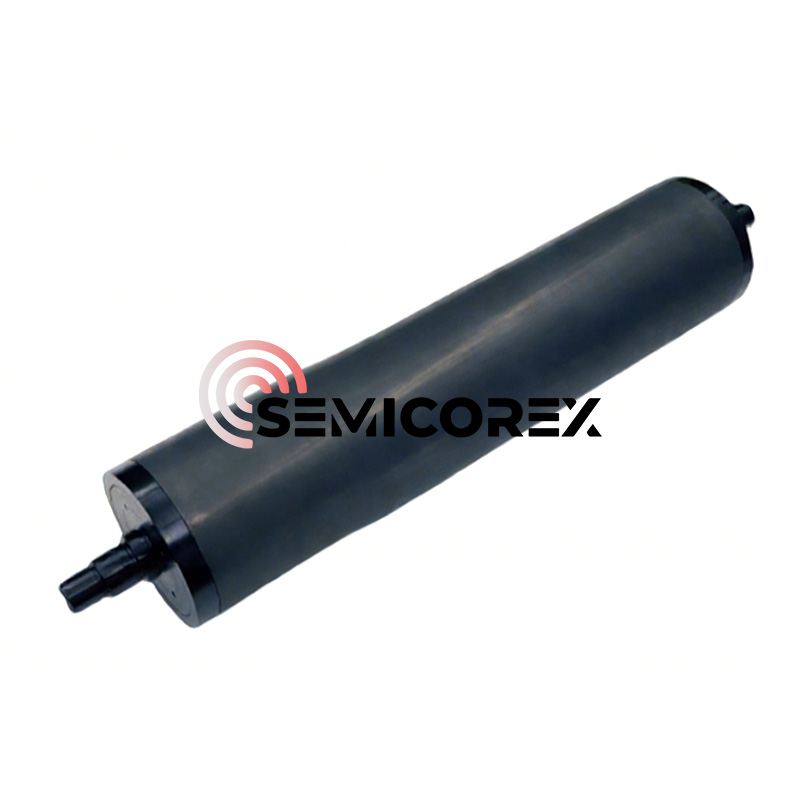
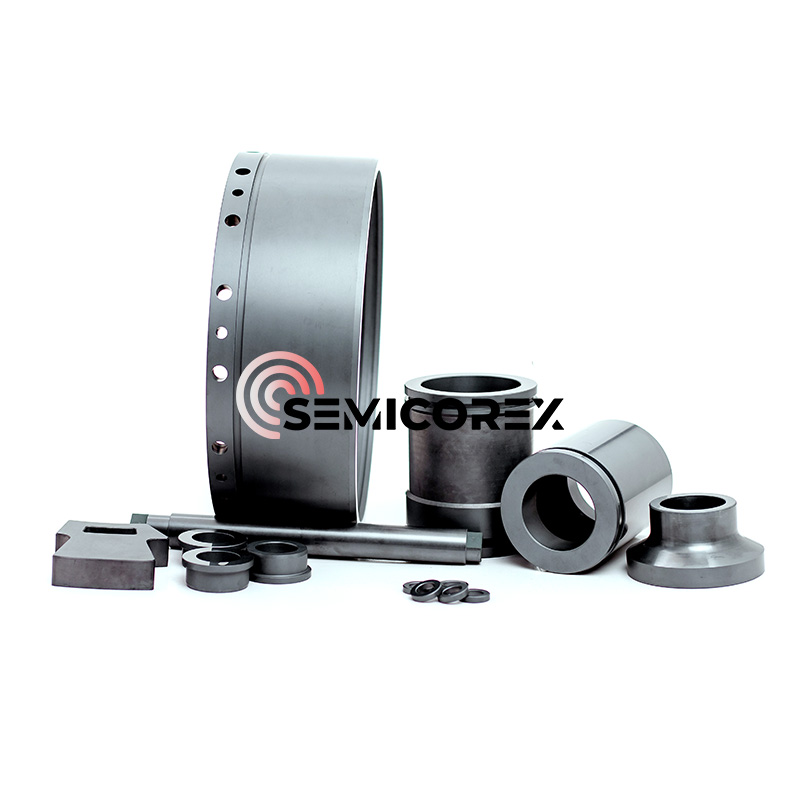
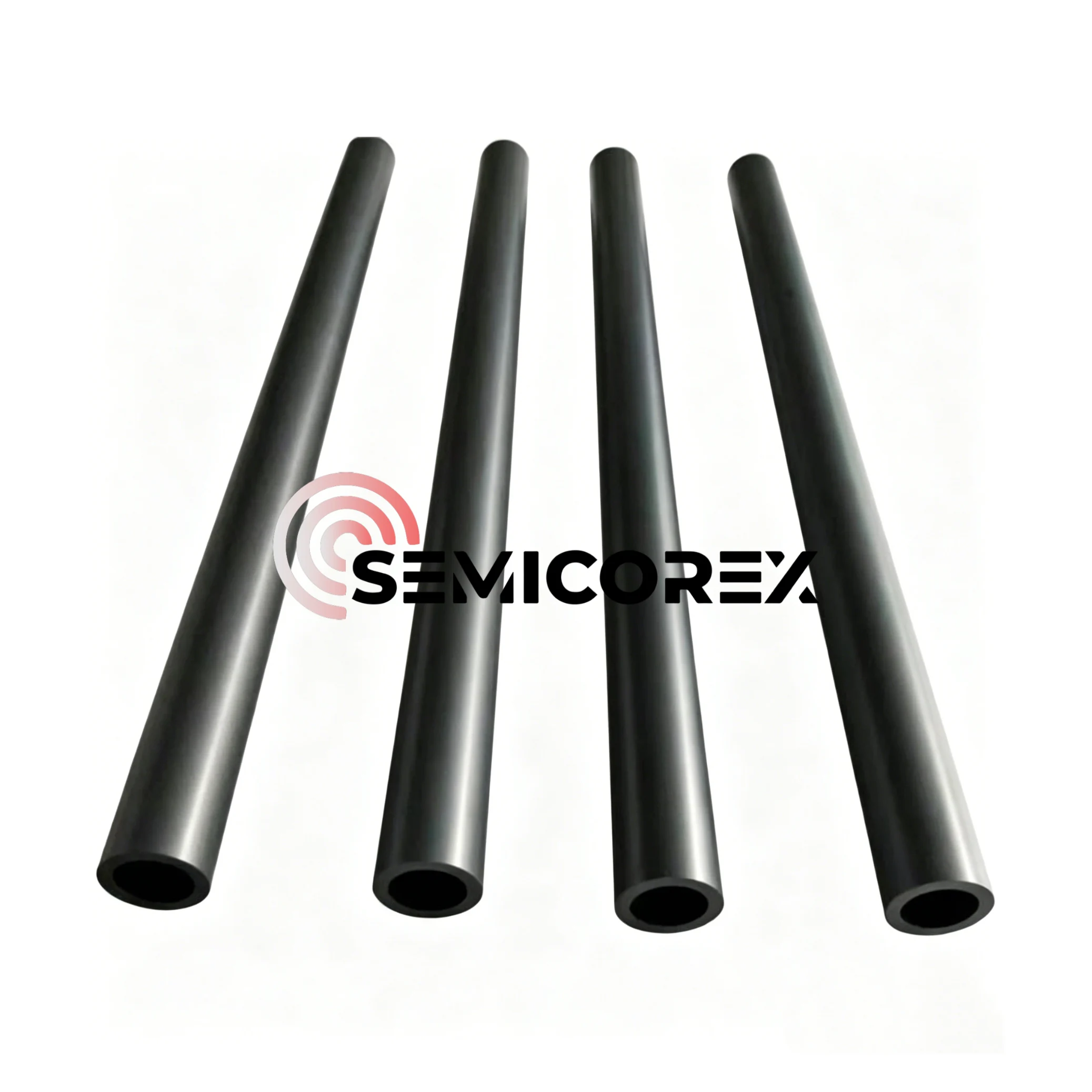
SiC Heat Exchange Tubes
Semicorex SiC heat exchange tubes are the high-performance tubular components made of silicon carbide ceramics, serving as the core parts of shell-and-tube heat exchangers. Leveraging the excellent properties of silicon carbide ceramics, Semicorex SiC heat exchange tubes are well-suited for the demanding environments including high-temperature, high-pressure, strong chemical corrosion, high-speed gas impact and particle wear.
Send Inquiry
Product Description
The core function of Semicorex SiC heat exchange tubes is to transfer heat between fluids of different temperatures inside and outside the tubes. When high-temperature flue gas or hot media flows over the outer wall of the tubes, the excellent thermal conductivity of SiC transfers heat to the cooling medium or medium to be heated inside the tubes like air, water, and process gas, to achieve efficient heat exchange.
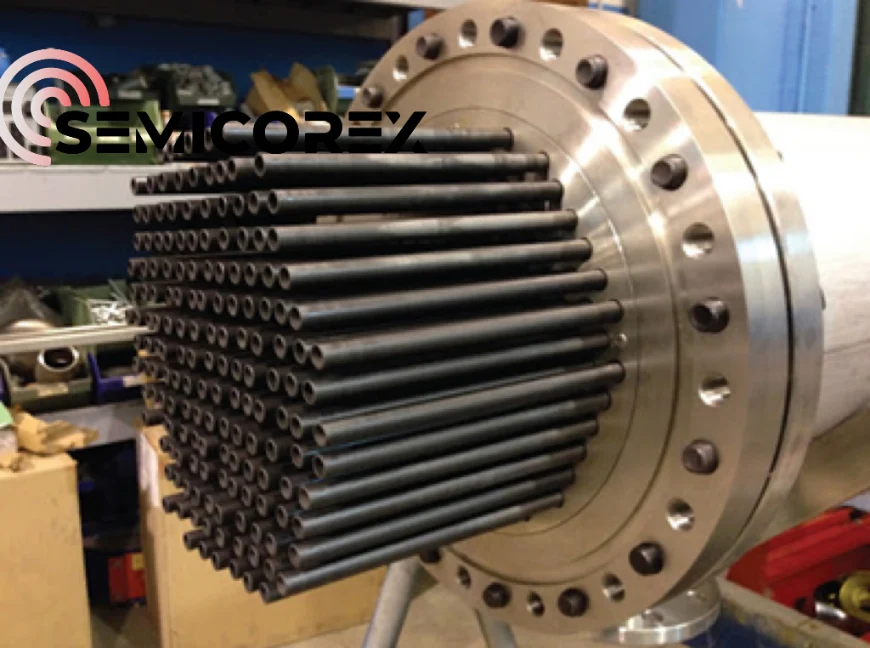
Characteristics of Semicorex SiC heat exchange tubes
1.Exceptional thermal conductivity and improved heat transfer efficiency
2.Superior high-temperature resistance
3.High chemical corrosion resistance, oxidation resistance and erosion resistance
4.Dependable wear resistance
5.Remarkable permeation resistance
6.Safety and contamination free
Applications of Semicorex SiC heat exchange tubes
As the optimal alternative option to conventional metal heat exchange tubes, Semicorex SiC heat exchange tubes deliver high-efficiency recovery and reuse of heat and are extensively applied in cooling, heating, condensation, evaporation, membrane evaporation and absorption processes in the following fields.
1.Chemical industry
Semicorex SiC heat exchange tubes are widely used to heat transfer in highly corrosive processes such as acid concentration, cooling for acid-base neutralization reactions and compound synthesis, thanks to the reliable corrosion resistance performance of SiC ceramics.
2.Food and pharmaceutical industries
Semicorex SiC heat exchange tubes are chemically inert and will not release harmful reaction by-products into food and pharmaceuticals, fully meeting the stringent requirements of food and pharmaceutical production.
3.Metallurgical industry
Semicorex SiC heat exchange tubes are applicable to process heating and waste heat recovery in the metallurgical industry to effectively cut fuel consumption and improve the thermal efficiency of industrial furnaces and kilns. Their typical applications include preheating combustion-supporting air, and recovering waste heat from blast furnace gas and converter flue gas.
Hot Tags: SiC Heat Exchange Tubes, China, Manufacturers, Suppliers, Factory, Customized, Bulk, Advanced, Durable
Product Tag
Related Category
Silicon Carbide (SiC)
Alumina (Al2O3)
Silicon Nitride (Si3N4)
Aluminum Nitride (AIN)
Zirconia (ZrO2)
Composite Ceramic
Axle Sleeve
Bushing
Wafer Carrier
Mechanical Seal
Wafer Boat
Send Inquiry
Please feel free to give your inquiry in the form below. We will reply you in 24 hours.