
- English
- Español
- Português
- русский
- Français
- 日本語
- Deutsch
- tiếng Việt
- Italiano
- Nederlands
- ภาษาไทย
- Polski
- 한국어
- Svenska
- magyar
- Malay
- বাংলা ভাষার
- Dansk
- Suomi
- हिन्दी
- Pilipino
- Türkçe
- Gaeilge
- العربية
- Indonesia
- Norsk
- تمل
- český
- ελληνικά
- український
- Javanese
- فارسی
- தமிழ்
- తెలుగు
- नेपाली
- Burmese
- български
- ລາວ
- Latine
- Қазақша
- Euskal
- Azərbaycan
- Slovenský jazyk
- Македонски
- Lietuvos
- Eesti Keel
- Română
- Slovenski
- मराठी
- Srpski језик
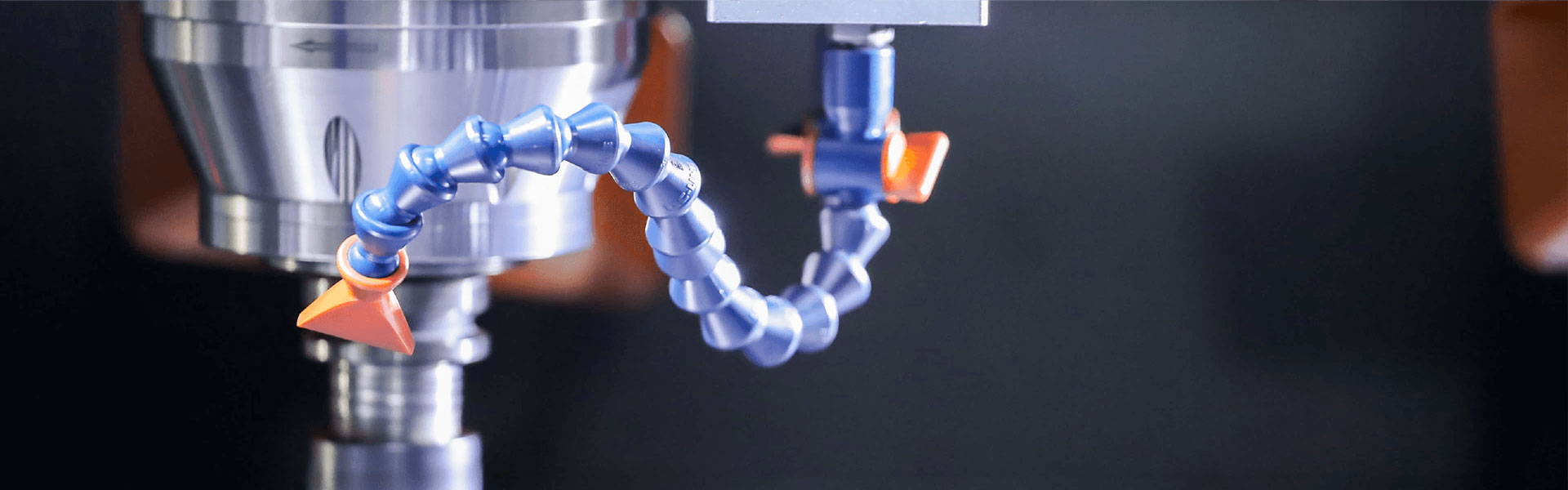
Semicorex Ceramic applied in Semiconductor processing
With the advancement of technology, smart products such as mobile phones, computers, electric vehicles, and robots have become integrated into people's lives. These products contain a large number of semiconductor chips, and chip fabrication requires semiconductor equipment, such as etching machines, lithography machines, and ion implanters. Opening a semiconductor device reveals that most of its components are ceramic parts. Ceramic parts possess excellent properties such as high temperature resistance, corrosion resistance, high precision, and high strength, making them well-suited for use in semiconductor equipment. Most ceramic parts, as key components in semiconductor manufacturing processes, directly contact the wafer, enabling high-precision control and rapid heating and cooling of the wafer surface temperature.
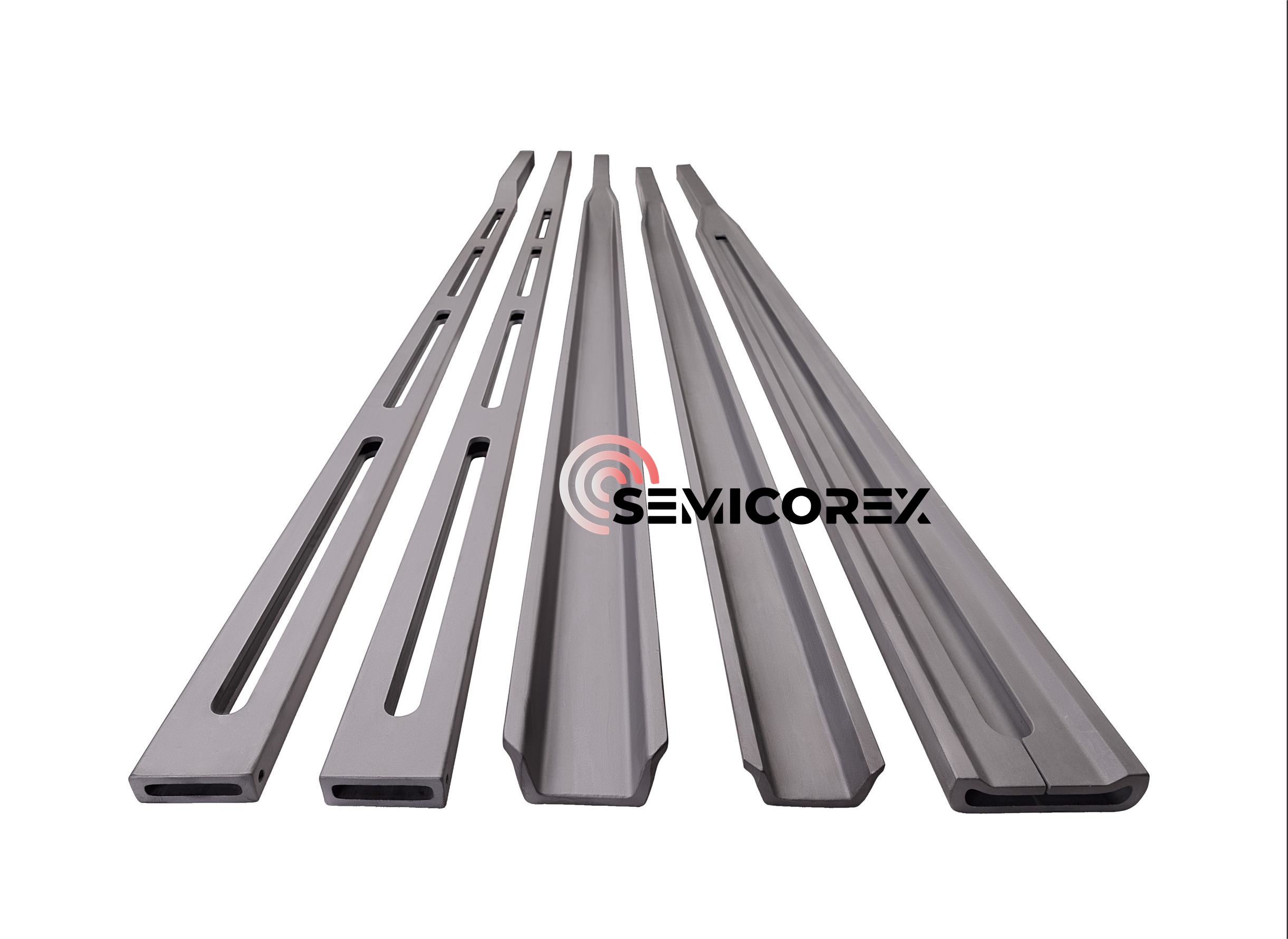
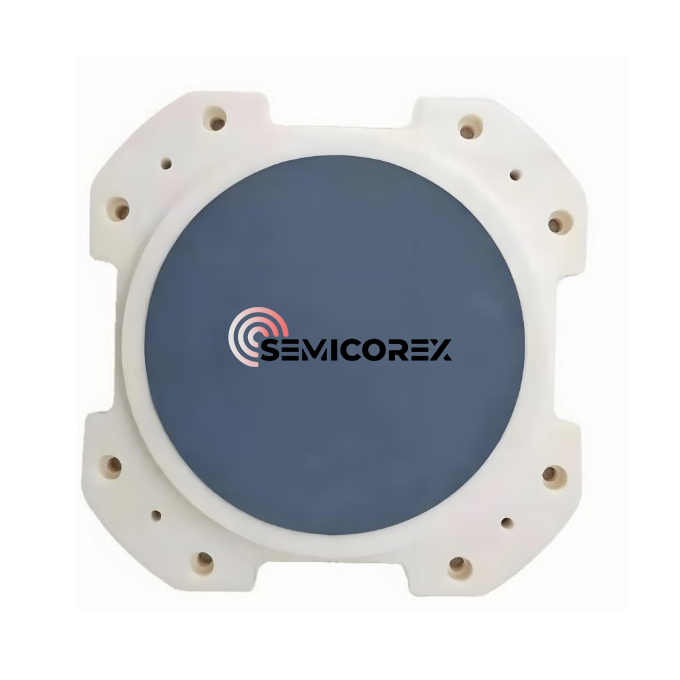
Semiconductor ceramic parts belong to advanced ceramics, and the ceramic materials involved typically include alumina, silicon carbide, aluminum nitride, silicon nitride, and yttrium oxide. Ceramic product forming methods typically include dry pressing, tape casting, injection molding, hot isostatic pressing, cold isostatic pressing, slip casting, extrusion molding, hot die casting, gel casting, and direct solidification casting.
1. Dry Pressings
Dry pressing is a common process for manufacturing semiconductor components. This process primarily involves pouring granulated powder with a suitable particle size distribution into a metal mold cavity, applying pressure with a pressure head. The pressure head moves within the mold cavity, transferring pressure to the powder particles and compacting them, ultimately forming a ceramic blank with a specific shape and strength.
2. Casting
Casting is a wet forming technology capable of producing ceramic blanks with thicknesses ranging from tens of micrometers to millimeters in a single process. A ceramic slurry with good viscosity and dispersion flows from the slurry groove of a casting machine onto a substrate. The slurry spreads, and under surface tension, a blank with a smooth upper surface is formed. The blank, along with the substrate, is sent to a drying chamber. After the solvent evaporates, an organic binder forms a network between the ceramic particles, creating a blank with a certain strength and flexibility. The dried blank is peeled off the substrate and rolled up for later use. Further processing, such as cutting, stamping, and piercing, followed by firing, completes the product manufacturing process.
3. Injection Molding
Injection molding is a novel technology for manufacturing ceramic parts. Its production process mainly consists of four stages: preparation of the injection material, injection molding, debinding, and sintering. It is commonly used to manufacture small ceramic parts with complex geometries and special requirements.
4. Isostatic Pressing
Isostatic pressing includes hot isostatic pressing and cold isostatic pressing. Isostatic pressing can transmit pressure from all directions, thus ensuring the densification of the sheet material.
1) Hot Isostatic Pressing Process
This method enhances atomic diffusion under high temperature and pressure, causing pores in the ceramic to migrate to grain boundaries or the workpiece surface, thereby reducing or eliminating porosity. Hot isostatic pressing uses thin-walled prestressed winding units, allowing for uniform and rapid cooling, significantly improving production efficiency compared to natural cooling.
2) Cold Isostatic Pressing Process
This method applies 100~600 MPa to ceramic or metal powder at room temperature or slightly higher temperatures (<93℃) to obtain a "green body," which is then sintered to its final strength.
5. Slip Casting
Slip casting is a commonly used molding method in large-scale ceramic production. It involves injecting a slurry with high solid content and good fluidity into a porous plaster mold. Due to the capillary suction of the porous mold, water is drawn from the slurry by the inner wall of the mold, forming a solidified green body along the mold wall. Once the green body has reached a certain strength, it can be demolded.
6. Extrusion Molding
Extrusion molding involves mixing ceramic powder, clay or organic binder, and water, repeatedly kneading, vacuum degassing, and aging to give the extruded green body good plasticity and uniformity. Then, under the action of an extrusion screw or plunger, it is extruded through a die at the extruder nozzle to obtain the desired product shape.
7. Hot Press Casting
Hot press casting mainly utilizes the property of paraffin wax melting when heated and solidifying upon cooling. Ceramic powder and hot paraffin wax are uniformly mixed to form a flowable slurry. Under certain pressure, slurry is injected into a metal mold to form a green body. After cooling and solidification, the green body is demolded and removed. The green body is then trimmed, dewaxed at high temperature, and finally sintered to produce the finished product.
8. Gel Casting
Gel casting involves dispersing ceramic powder in a solution containing organic matter to prepare a high-solids suspension. This suspension is then injected into a mold of a specific shape. Under specific catalytic and temperature conditions, the organic monomers polymerize, form a gel, solidify the suspension in situ, and dry, resulting in a green body with high strength.
9. Direct Solidification Casting
Direct solidification casting is a novel method for forming ceramic net-size colloidal structures. This method combines traditional ceramic technology with chemical theory, using catalysts or initiators to cause cross-linking of organic monomers added to the suspension, forming a network structure that leads to in-situ solidification.
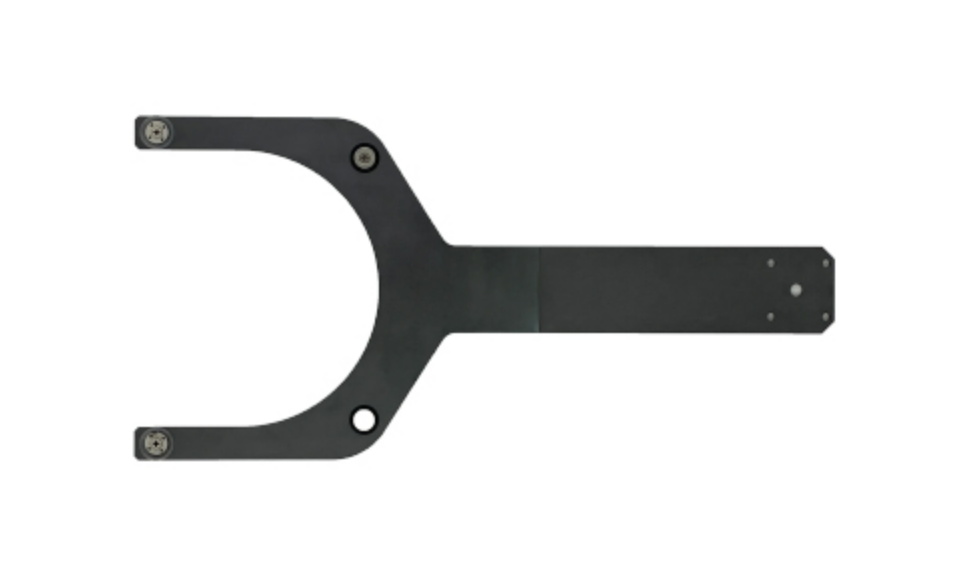
Semicorex offers various ceramic components. If you have any inquiries or need additional details, please don't hesitate to get in touch with us.
Contact phone # +86-13567891907
Email: sales@semicorex.com
Previous:Ceramic Vacuum Chucks