
- English
- Español
- Português
- русский
- Français
- 日本語
- Deutsch
- tiếng Việt
- Italiano
- Nederlands
- ภาษาไทย
- Polski
- 한국어
- Svenska
- magyar
- Malay
- বাংলা ভাষার
- Dansk
- Suomi
- हिन्दी
- Pilipino
- Türkçe
- Gaeilge
- العربية
- Indonesia
- Norsk
- تمل
- český
- ελληνικά
- український
- Javanese
- فارسی
- தமிழ்
- తెలుగు
- नेपाली
- Burmese
- български
- ລາວ
- Latine
- Қазақша
- Euskal
- Azərbaycan
- Slovenský jazyk
- Македонски
- Lietuvos
- Eesti Keel
- Română
- Slovenski
- मराठी
- Srpski језик

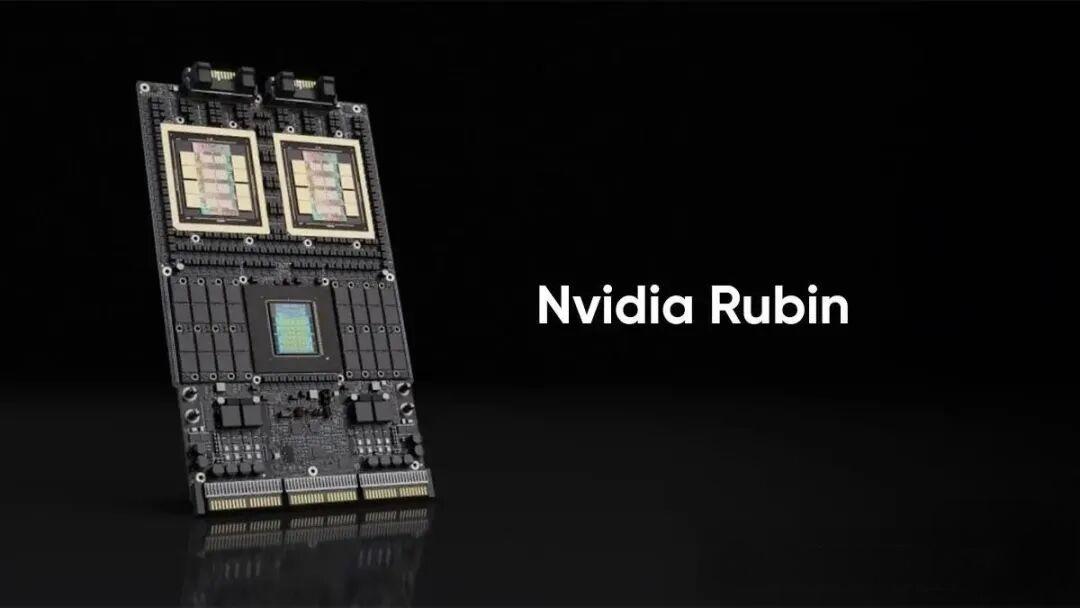
NVIDIA Rubin GPUs Fully Switch to Graphene Thermal Pads
In May 2026, NVIDIA finalized its decision to completely abandon liquid metal in the standard Vera Rubin (1800-2000W TDP) and switch to high thermal conductivity graphene pads for mass production; the Ultra high-end version (2500-2850W) will retain the extreme solution of liquid metal + microchannel cold plate, and will officially enter mass production in Q3. This is not a simple material replacement, but a strategic shift in AI chip heat dissipation from "extreme performance" to "mass production stability," and a milestone for graphene materials to move from consumer electronics to high-end computing power.
Why Graphene
NVIDIA ultimately chose high thermal conductivity graphene TIM because it offers "sufficient performance, maximum stability, and controllable cost," perfectly matching the large-scale deployment needs of AI factories. - Top-tier thermal conductivity: Thermal conductivity 100-150 W/m·K, thermal resistance as low as 0.04℃·cm²/W, meeting 2000W-level heat dissipation requirements, approaching 80% of the performance of liquid metal;
- Long-term stability with zero risk: Pure carbon structure, no silicone oil, does not dry out, does not migrate, completely avoiding pumping and corrosion issues, high temperature resistance (-40~150℃), long-term performance degradation <5%;
- Mass production friendly and cost-effective: Stable yield of 95%+, simple automated placement, reusable assembly and disassembly, maintenance costs reduced by 40%, mature and sufficient supply chain;
- Insulation safety + thinness: Electrically insulated, no anti-corrosion treatment required; thickness as low as 0.1mm, suitable for high-density packaging, reducing the weight of heat dissipation components.
Two products, two strategies:
NVIDIA adopts a precise tiered strategy, balancing large-scale delivery with extreme performance:
- Rubin Standard Edition (1800-2000W): Graphene thermal pads + optimized toothed cooling plate (0.1mm tooth pitch), primarily for large-scale AI factory deployment, mass production in Q3, prioritizing yield;
- Rubin Ultra (2500-2850W): Liquid metal + gold-plated vapor chamber + microchannel cooling plate, targeting ultra-large-scale training clusters, pursuing ultimate heat dissipation, shipping in Q1 2027.
Industry Impact
1. Rise of Carbon-Based Materials: NVIDIA's endorsement directly drives explosive demand for graphene thermal conductive materials, with the market size expected to exceed 5 billion yuan by 2027.
2. Shift in AI Cooling Paradigm: From a high-end approach of "liquid metal + diamond" to a more accessible solution of "graphene + liquid cooling," lowering the barrier to AI computing power deployment and accelerating the implementation of Agentic AI.
3. Material Technology Iteration: This forces graphene companies to improve vertical thermal conductivity (target 150W/m·K+) and reduce costs, driving graphene's penetration from thermal pads to vapor chambers, heat dissipation films, and other applications.
Cooling materials determine the "temperature" and "speed" of AI. NVIDIA's choice of Rubin is essentially a compromise between technological ideals and industrial realities, and an inevitable result of material innovation driving the popularization of computing power. Graphene thermal pads, with their golden combination of "high performance + high stability + low cost," have successfully taken center stage in AI cooling. In the future, as the power consumption of AI chips continues to rise, carbon-based heat dissipation materials will become a standard feature of high-end computing power, ushering in a new chapter of the "graphene era".
Semicorex offers graphene products. If you have any inquiries or need additional details, please don't hesitate to get in touch with us.
Contact phone # +86-13567891907
Email: sales@semicorex.com