- English
- Español
- Português
- русский
- Français
- 日本語
- Deutsch
- tiếng Việt
- Italiano
- Nederlands
- ภาษาไทย
- Polski
- 한국어
- Svenska
- magyar
- Malay
- বাংলা ভাষার
- Dansk
- Suomi
- हिन्दी
- Pilipino
- Türkçe
- Gaeilge
- العربية
- Indonesia
- Norsk
- تمل
- český
- ελληνικά
- український
- Javanese
- فارسی
- தமிழ்
- తెలుగు
- नेपाली
- Burmese
- български
- ລາວ
- Latine
- Қазақша
- Euskal
- Azərbaycan
- Slovenský jazyk
- Македонски
- Lietuvos
- Eesti Keel
- Română
- Slovenski
- मराठी
- Srpski језик
Main Types of Thermal Oxidation
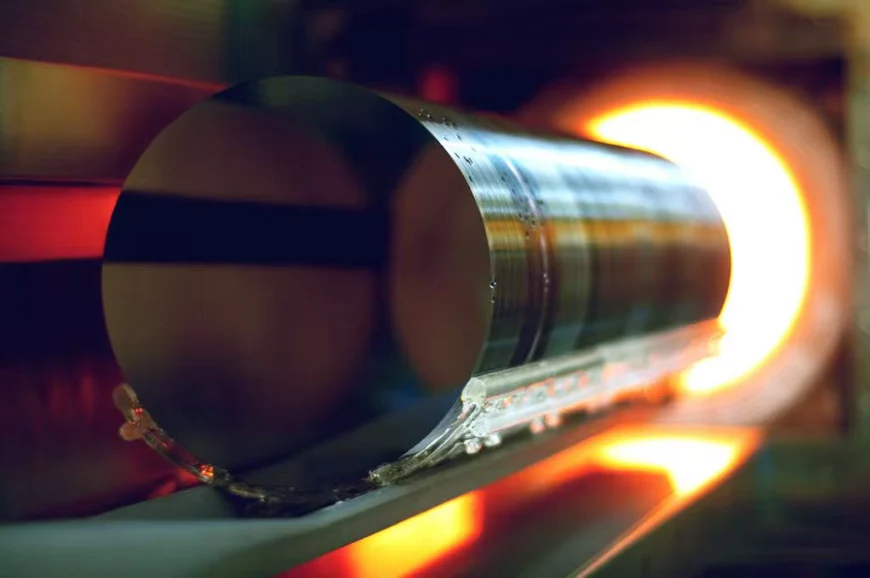
In high-end semiconductor device fabrication, SiO₂ films are typically formed via oxidation processes for substrate surface treatment, and their common applications include dopant barrier layers, surface insulation layers, gate oxide layers, field oxides and sacrificial oxides. As the core processes in wafer fabrication, based on the oxidation atmosphere, thermal oxidation is classified into dry oxidation, wet oxygen oxidation and steam oxidation.
Dry Oxidation
Dry oxidation is performed by introducing pure and dry oxygen into the reaction chamber. At high temperatures, oxygen molecules react with silicon atoms on the wafer surface to form an initial SiO₂ layer, blocking direct contact between oxygen molecules and the silicon surface. In the subsequent oxidation process, oxygen molecules must diffuse through the existing SiO₂ layer to reach the Si/SiO₂ interface for further reaction. For this reason, the Si/SiO₂ interface is constantly changing, which results in incomplete SiOₓ between the final oxide layer and substrate, further leading to the formation of interface states. The SiO₂ layer formed by dry oxidation features a dense structure, superior uniformity and excellent process repeatability. They bond firmly with non-polar photoresist, prevent photoresist peeling and ensure great lithography resolution, making them the best choice for photoresist-contacting oxide layers.
Chlorine-doped oxidation is a variant of dry oxidation. During the process, a small amount of chlorine-containing gaseous compounds such as chlorine gas, hydrogen chloride, trichloroethylene or trichloroethane are added to dry oxygen. Chlorine incorporates into the oxide layer and accumulates near the SiO₂/Si interface. It traps mobile ions (e.g. sodium ions) and deactivates them. Meanwhile, chlorine forms Cl-Si-O complexes at the interface, which neutralize interface charges and fill oxygen vacancies. This reduces interface state density and minimizes defects within the SiO₂ film. At high temperatures, chlorine reacts with impurities accumulated in long-term used oxidation furnaces to form volatile compounds that are exhausted out of the chamber. Chlorine-doped oxidation thus reduces impurities in silicon, lowers recombination centers and increases minority carrier lifetime.
Steam Oxidation
Steam oxidation utilizes water vapor inside the reaction chamber. The water vapor is generated from high-purity deionized water or the combustion reaction of hydrogen and oxygen gas. At high temperatures, water vapor reacts with silicon on the wafer surface to form the initial SiO₂ layer. Water molecules first react with the surface SiO₂ to form silanol groups (Si-OH). These groups diffuse through the oxide layer to the SiO₂/Si interface and continue reacting with silicon atoms. Most of the generated hydrogen escapes from the interface, while a portion combines with oxygen to form hydroxyl groups (-OH).
The SiO₂ film produced by steam oxidation has a silanol structure with non-bridging oxygen atoms, where each oxygen atom bonds to only one silicon atom. Such oxide films are less dense and have poor process repeatability. The hydroxyl groups readily absorb moisture and render the film polar, leading to poor adhesion with non-polar photoresist and frequent photoresist lifting. Due to its loose structure, steam oxidation proceeds much faster than dry oxidation.
Wet Oxygen Oxidation
For wet oxygen oxidation, oxygen gas passes through heated high-purity deionized water before entering the reaction chamber, so that the oxygen carries a certain concentration of water vapor. The water vapor content is determined by temperature and gas flow rate. This process combines the characteristics of dry oxidation and steam oxidation. Its oxidation rate is higher than dry oxidation but lower than steam oxidation. In terms of film quality, wet oxygen oxidation is inferior to dry oxidation yet superior to steam oxidation.
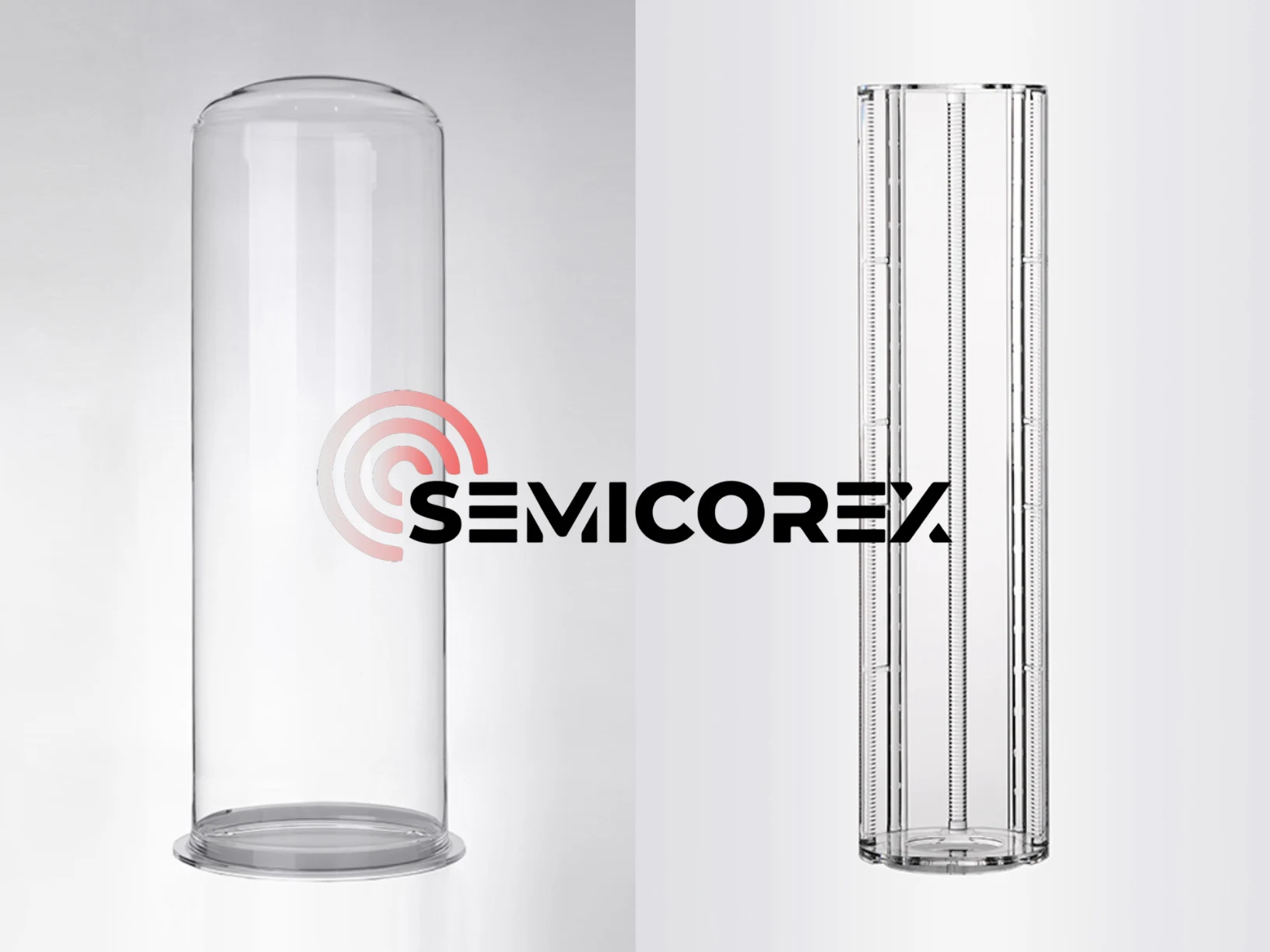
Semicorex offers high-quality quartz boats and quartz tubes for thermal oxidation processes. If you have any inquiries or need additional details, please don't hesitate to get in touch with us.
Contact phone # +86-13567891907
Email: sales@semicorex.com