- English
- Español
- Português
- русский
- Français
- 日本語
- Deutsch
- tiếng Việt
- Italiano
- Nederlands
- ภาษาไทย
- Polski
- 한국어
- Svenska
- magyar
- Malay
- বাংলা ভাষার
- Dansk
- Suomi
- हिन्दी
- Pilipino
- Türkçe
- Gaeilge
- العربية
- Indonesia
- Norsk
- تمل
- český
- ελληνικά
- український
- Javanese
- فارسی
- தமிழ்
- తెలుగు
- नेपाली
- Burmese
- български
- ລາວ
- Latine
- Қазақша
- Euskal
- Azərbaycan
- Slovenský jazyk
- Македонски
- Lietuvos
- Eesti Keel
- Română
- Slovenski
- मराठी
- Srpski језик
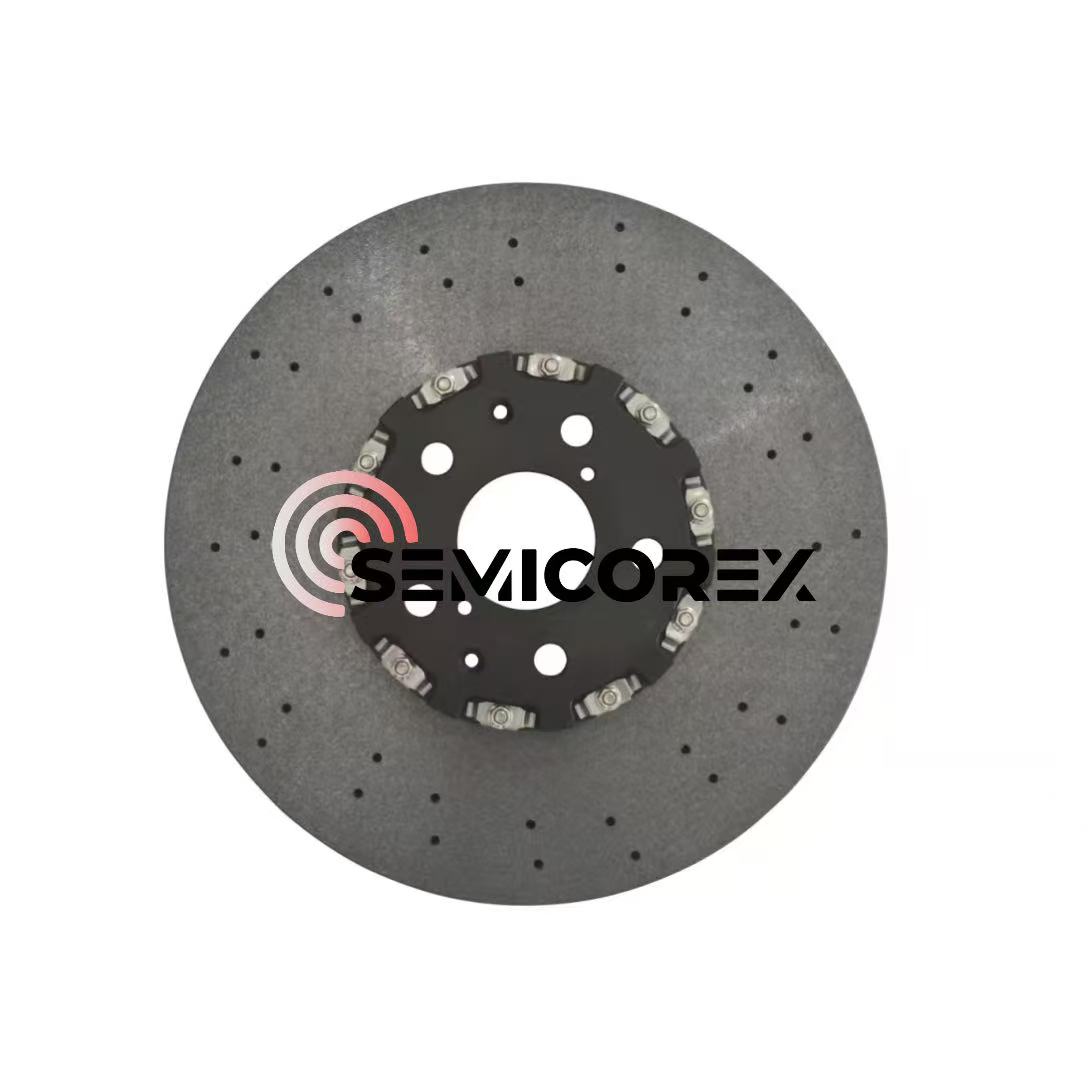
What are Carbon-Ceramic Brake Discs?
Carbon-ceramic brake discs are high-performing brake solutions precisely made of carbon fiber-reinforced silicon carbide-based composite materials, whose technical origins can be traced back to aircraft braking field in the 1970s. Leveraging the high strength and toughness of carbon fiber and the high temperature resistance, wear resistance, and corrosion resistance of silicon carbide ceramic, carbon-ceramic brake discs feature the core advantages of high performance, long lifespan, and lightweight design. With ongoing technological maturity and cost optimization, their application scenarios have expanded extensively, now covering civil aviation, high-speed railways, racing cars, super sports cars and other fields, and strongly supporting the upgrade of traffic safety and driving experience.
The classification of carbon-ceramic brake discs
1. Based on fiber morphology:
1) Short-fiber carbon-ceramic brake discs are made by combining chopped carbon fibers with ceramic matrix, in which the chopped carbon fibers are randomly distributed in the matrix to deliver uniform reinforcement effects.
2) Long-fiber carbon-ceramic brake discs are made by combining continuous long-fiber braided preforms with ceramic matrix. The continuity of the long fibers creates a more robust reinforcement network, which results in superior mechanical properties.
2. Based on surface treatment: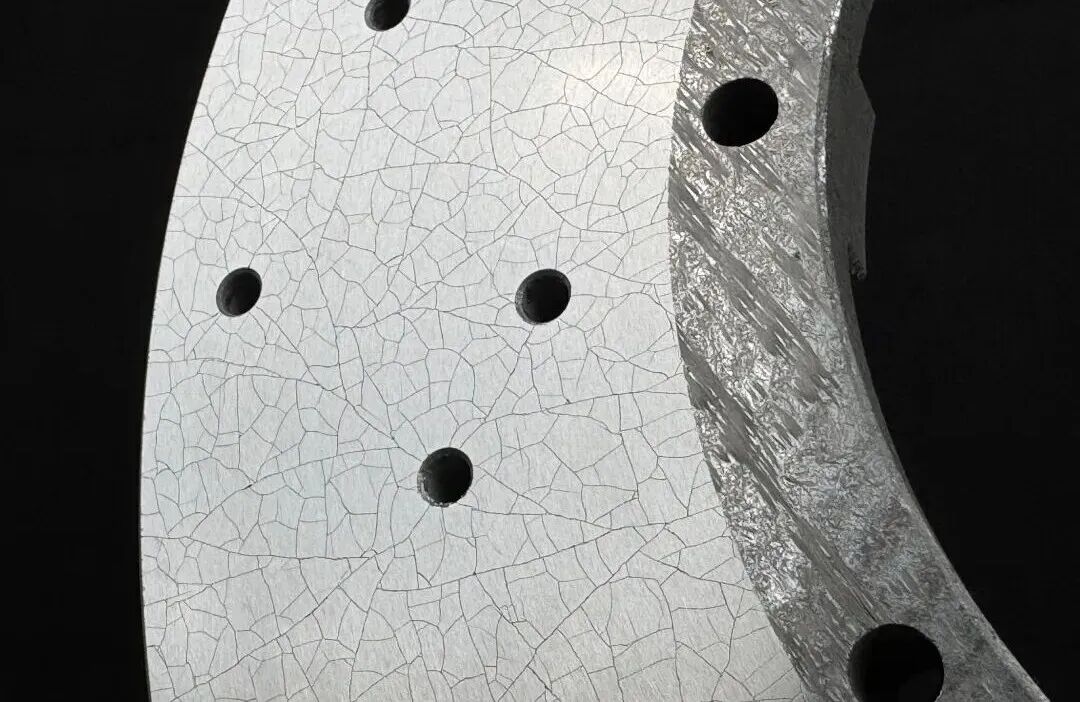
1) CCB carbon-ceramic brake discs are covered with SiC coating on their surface, presenting a glossy surface and fine cracks.
2) CCM carbon-ceramic brake discs have no SiC coating, featuring a black rough surface.
The advantages of carbon-ceramic brake discs
1. Extremely lightweight design
2. Excellent braking performance
3. Superior high-temperature resistance
4. exceptional adaptability
5. Low friction loss and low noise during braking
6. Durable Lifespan
The applications of carbon-ceramic brake discs
1. Aviation fields
Carbon-ceramic brake discs perfectly meet the needs of lightweight and high-energy braking, making them ideal for use in aviation fields such as civil aircraft, military aircraft, and flying cars.
2. Automotive field
Featuring the remarkable coefficient of friction to ensure their braking ability remains unaffected even in wet, rainy condition, carbon-ceramic brake discs are well-suited in the automotive field, such as supercars, high-performance sedans, and new energy vehicles.
3. Rail transportation field
Trains need to brake frequently during operation in the rail transportation field. The excellent advantages of carbon ceramic brake discs can ensure the safe operation of high-speed trains, subways, and light rail.
4. Motorsports field
Applications in the motorsports field require handling harsh and complex operating environments. With wear resistance, high temperature resistance, and corrosion resistance, carbon ceramic brake discs can provide reliable braking protection for various types of motorsports, such as Formula One cars and rally cars.