
- English
- Español
- Português
- русский
- Français
- 日本語
- Deutsch
- tiếng Việt
- Italiano
- Nederlands
- ภาษาไทย
- Polski
- 한국어
- Svenska
- magyar
- Malay
- বাংলা ভাষার
- Dansk
- Suomi
- हिन्दी
- Pilipino
- Türkçe
- Gaeilge
- العربية
- Indonesia
- Norsk
- تمل
- český
- ελληνικά
- український
- Javanese
- فارسی
- தமிழ்
- తెలుగు
- नेपाली
- Burmese
- български
- ລາວ
- Latine
- Қазақша
- Euskal
- Azərbaycan
- Slovenský jazyk
- Македонски
- Lietuvos
- Eesti Keel
- Română
- Slovenski
- मराठी
- Srpski језик
Why are SiC Membranes Receiving So Much Attention?
In May 2025, the European Chemicals Agency (ECHA) updated a document exploring the possibility of banning the production of all PFAS. Correspondingly, the U.S. Food and Drug Administration (FDA) released a report stating that "the safety of most PFAS in 1,744 cosmetic formulations cannot be confirmed" (data source: E20 Water Research Center) at the beginning of 2026. These regulatory plans and concerns clearly indicate that the global control of PFAS has become an irreversible trend.
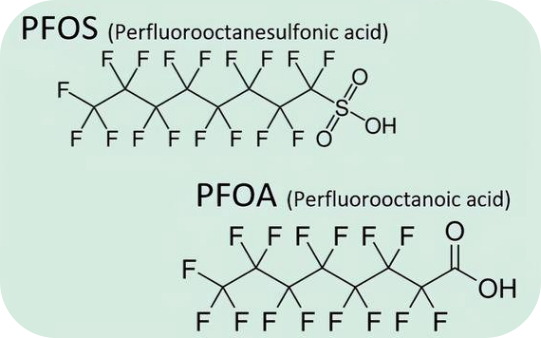
Know as the permanent chemical substances, PFAS deliver extreme chemical stability and non-degradability, persisting in water and soil for decades or even longer. They can bioaccumulate through the food chain into the human body, and gradually accumulate in human tissues such as the liver, kidneys, and blood for years with an extremely slow metabolic rate. Concerningly, these harmfal PFAS include PVDF, which is a key component in over 80% of membrane materials used in wastewater treatment and drinking water filtration.
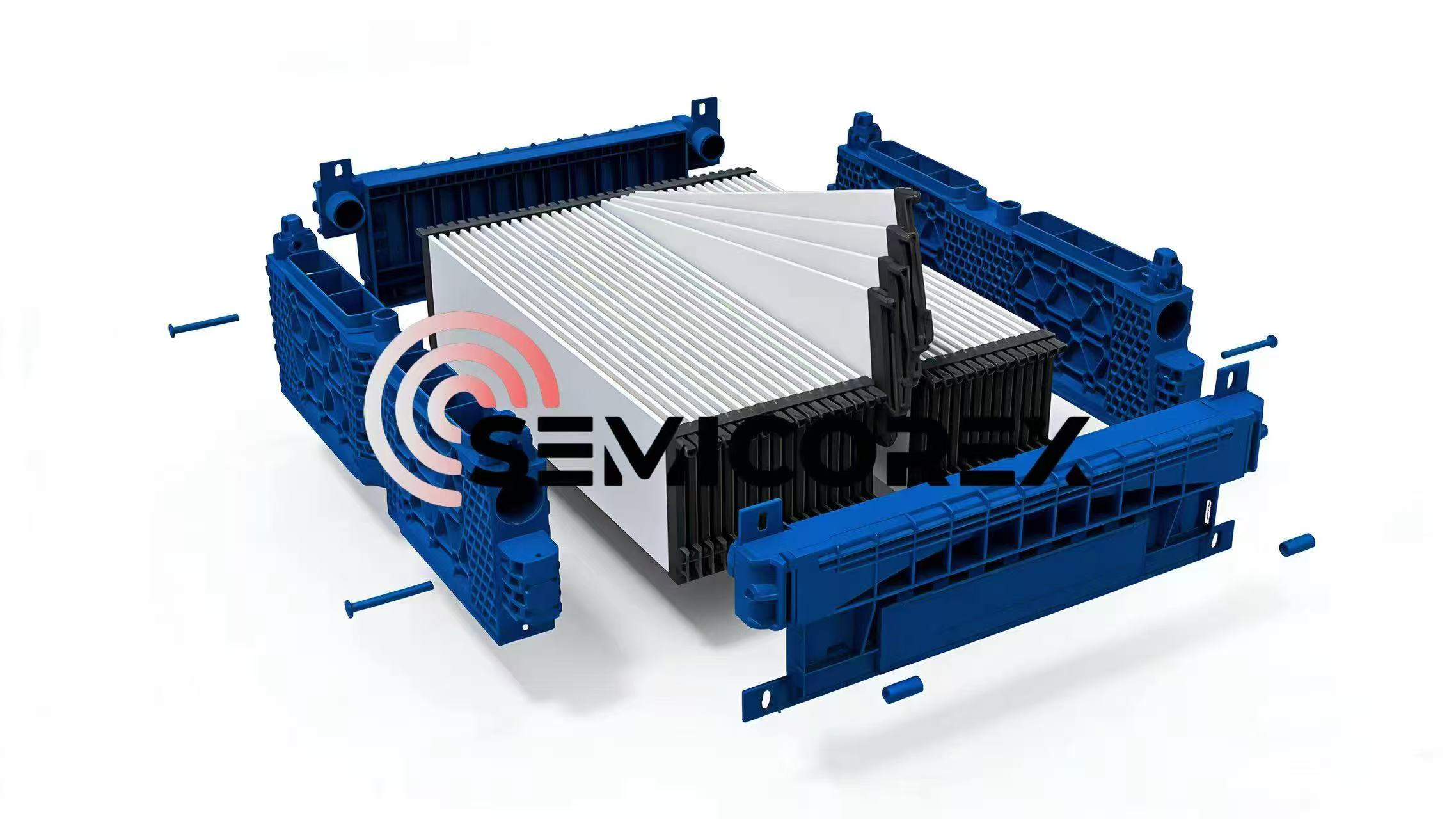
With their superior performance, silicon carbide membranes have become the optimal choice to replace PVDF membranes and capture the mainstream market against the backdrop of increasingly stringent global environmental regulations.
The advantages of silicon carbide membranes
1.Component Safety
Silicon carbide membranes are sintered from high-purity silicon carbide at 2400℃ via high-temperature recrystallization. With a single composition, they contain no PFAS or other toxic impurities, eliminating the risks of PFAS and heavy metal contamination from the source.
2.Excellent filtration accuracy
Featuring a three-layer gradient pore structure, silicon carbide membranes have the nanometer-level filtration precision, which enables them to efficiently retain activated carbon particles with PFOA/PFOS, ensuring the removal rate of PFAS in drinking water.
3.Superior flux capacity
Silicon carbide membranes have excellent three-dimensional connectivity of internal channels, and their porosity can be up to 45%. This special structure makes their flux three times that of conventional ceramic membranes and 20 times that of organic membranes.
4.Low maintenance costs
Due to their unparalleled hydrophilic and oleophobic properties, silicon carbide membranes can effectively reduce the adsorption of pollutants. Combined with wide flow channels and cross-flow filtration design, they are not prone to clogging, which greatly lower operation and maintenance costs.
5.Long service life
Thanks to thier superior durability and chemical stability, silicon carbide membranes exhibit long lifespan. They can withstand long-term corrosion from various strong acids, alkalis, oxidants, and organic solvents. Even under extreme contamination conditions and cleaning with high-concentration chemical agents, They can rapidly restore their permeability.
Previous:Porous Alumina Vacuum Chuck