
- English
- Español
- Português
- русский
- Français
- 日本語
- Deutsch
- tiếng Việt
- Italiano
- Nederlands
- ภาษาไทย
- Polski
- 한국어
- Svenska
- magyar
- Malay
- বাংলা ভাষার
- Dansk
- Suomi
- हिन्दी
- Pilipino
- Türkçe
- Gaeilge
- العربية
- Indonesia
- Norsk
- تمل
- český
- ελληνικά
- український
- Javanese
- فارسی
- தமிழ்
- తెలుగు
- नेपाली
- Burmese
- български
- ລາວ
- Latine
- Қазақша
- Euskal
- Azərbaycan
- Slovenský jazyk
- Македонски
- Lietuvos
- Eesti Keel
- Română
- Slovenski
- मराठी
- Srpski језик
Industry News
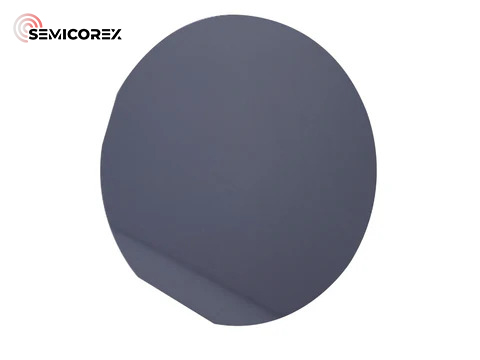
Heteroepitaxy of 3C-SiC: An Overview
The development of 3C-SiC, a significant polytype of silicon carbide, reflects the continuous advancement of semiconductor material science. In the 1980s, Nishino et al. first achieved a 4 μm thick 3C-SiC film on a silicon substrate using chemical vapor deposition (CVD)[1], laying the foundation for......
Read More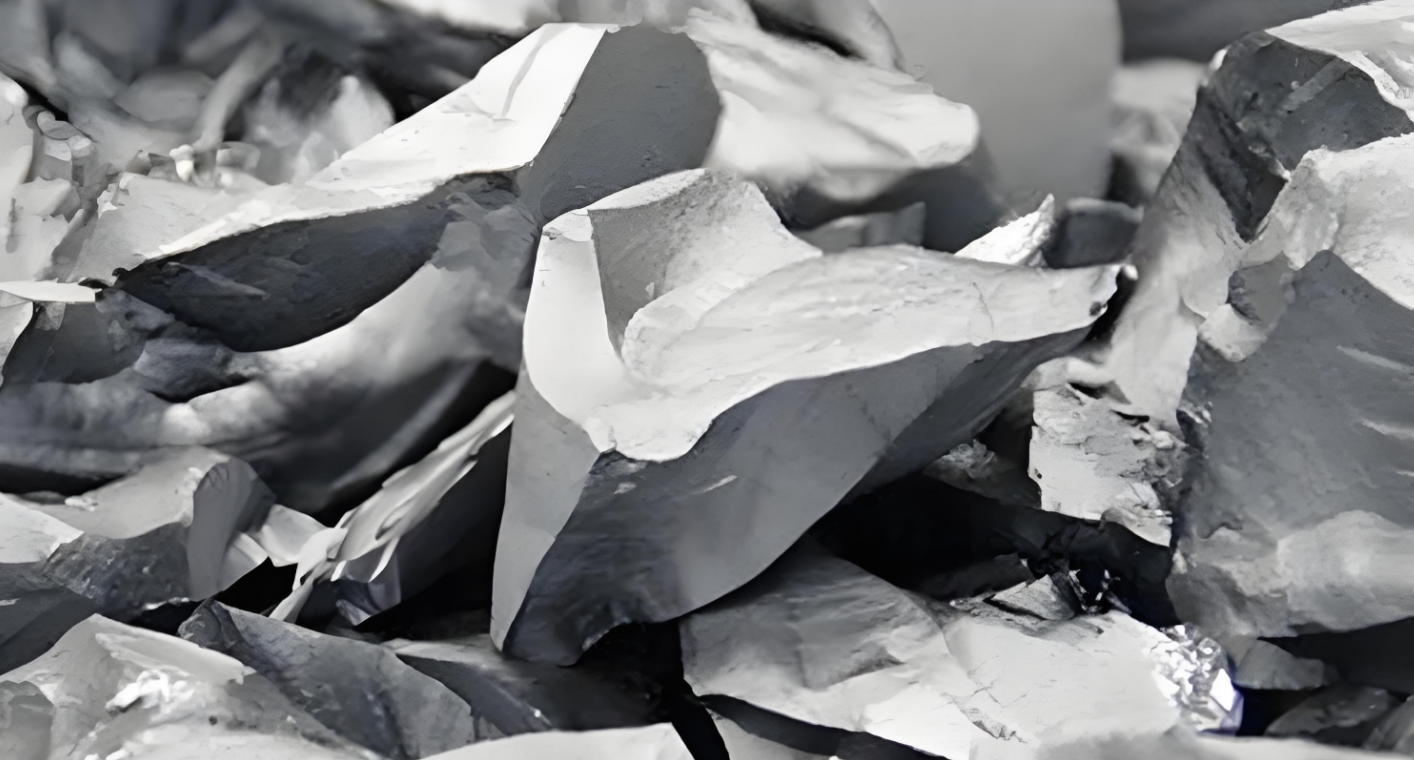
Monocrystalline silicon vs. polycrystalline silicon
Single crystal silicon and polycrystalline silicon each have their own unique advantages and applicable scenarios. Single crystal silicon is suitable for high-performance electronic products and microelectronics due to its excellent electrical and mechanical properties. Polycrystalline silicon, on t......
Read More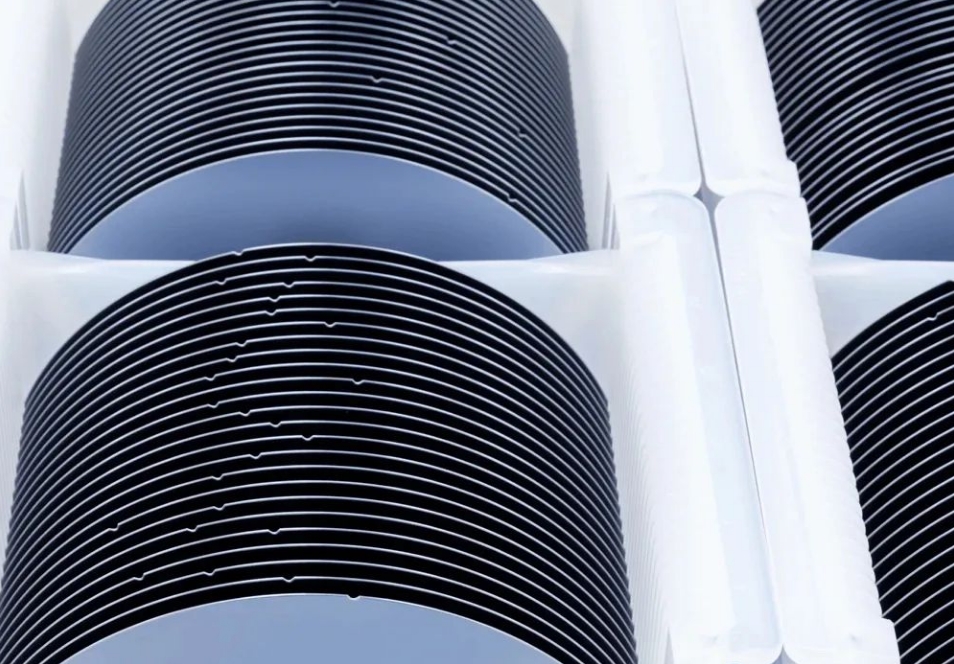
Substrate and Epitaxy
In the process of wafer preparation, there are two core links: one is the preparation of the substrate, and the other is the implementation of the epitaxial process. The substrate, a wafer carefully made of semiconductor single crystal material, can be directly put into the wafer manufacturing proce......
Read More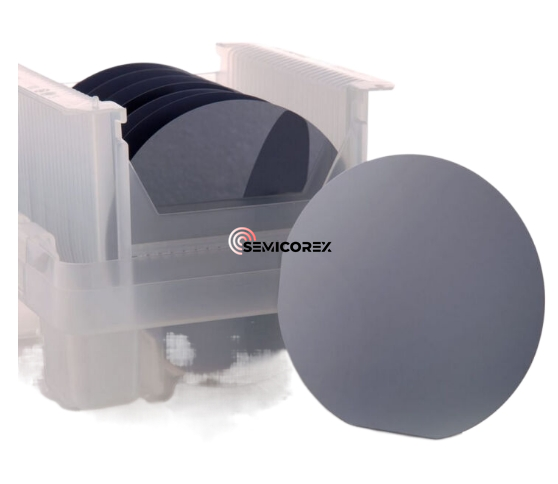
Silicon Wafer
Silicon material is a solid material with certain semiconductor electrical properties and physical stability, and provides substrate support for the subsequent integrated circuit manufacturing process. It is a key material for silicon-based integrated circuits. More than 95% of semiconductor devices......
Read More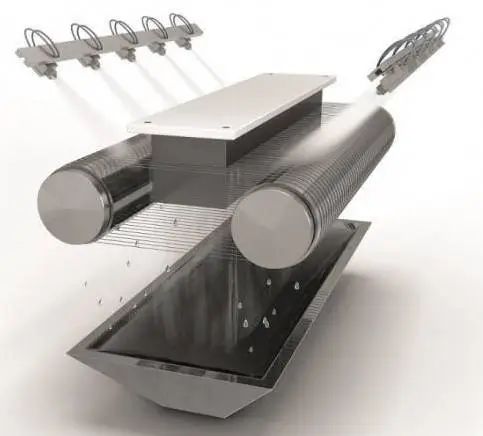
Silicon Carbide Substrate Core Process Flow
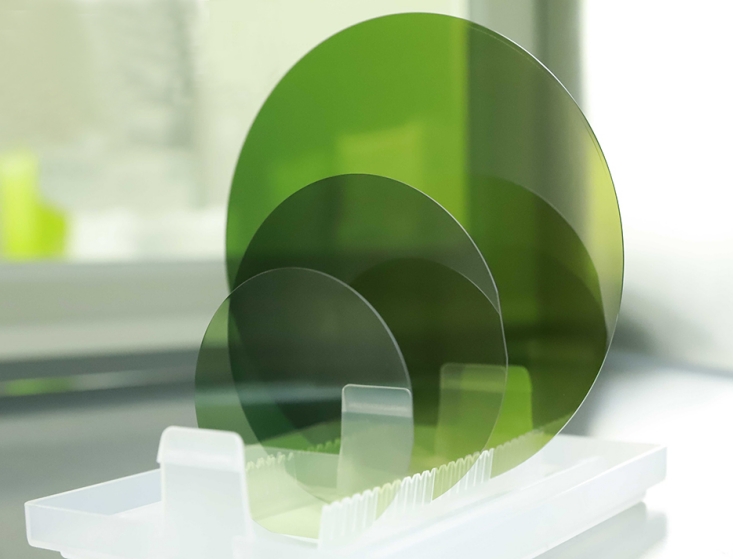
Silicon carbide substrate is a compound semiconductor single crystal material composed of two elements, carbon and silicon. It has the characteristics of large bandgap, high thermal conductivity, high critical breakdown field strength, and high electron saturation drift rate.
Read More